Participation can happen inside the institution itself or in partnership with squares, theaters, cultural centers, universities, churches, companies, radio stations, local commerce, partner schools and public facilities.
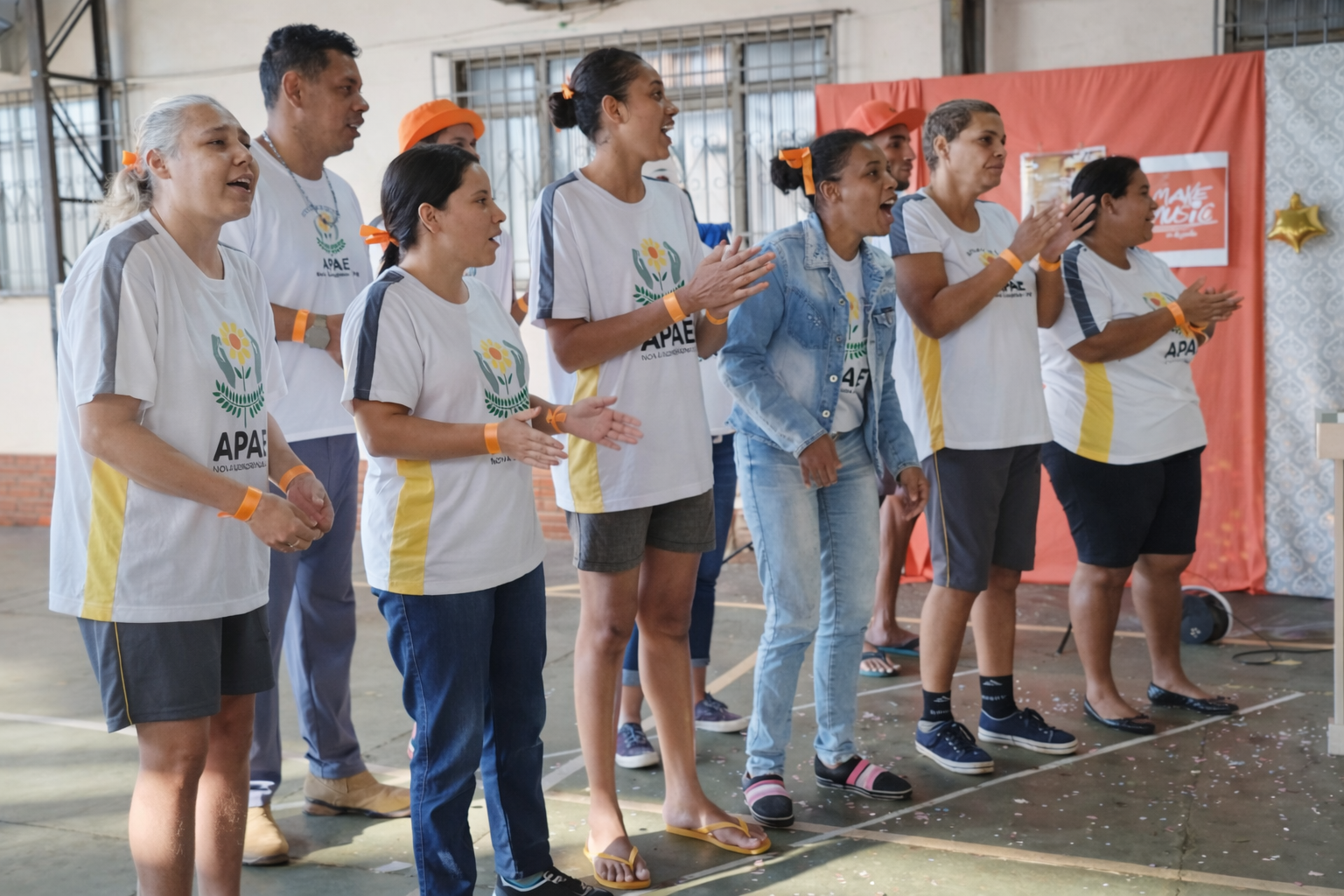
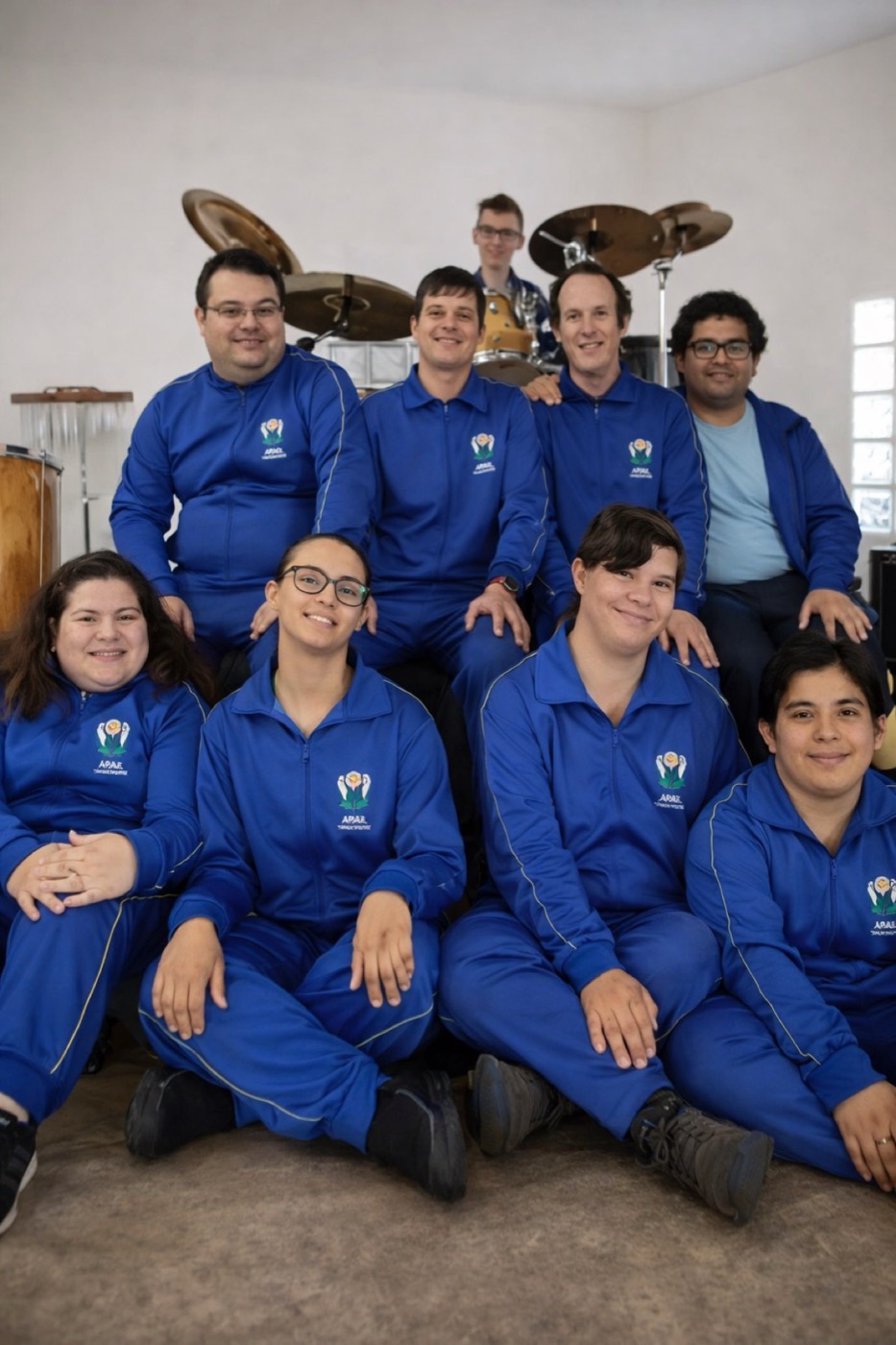
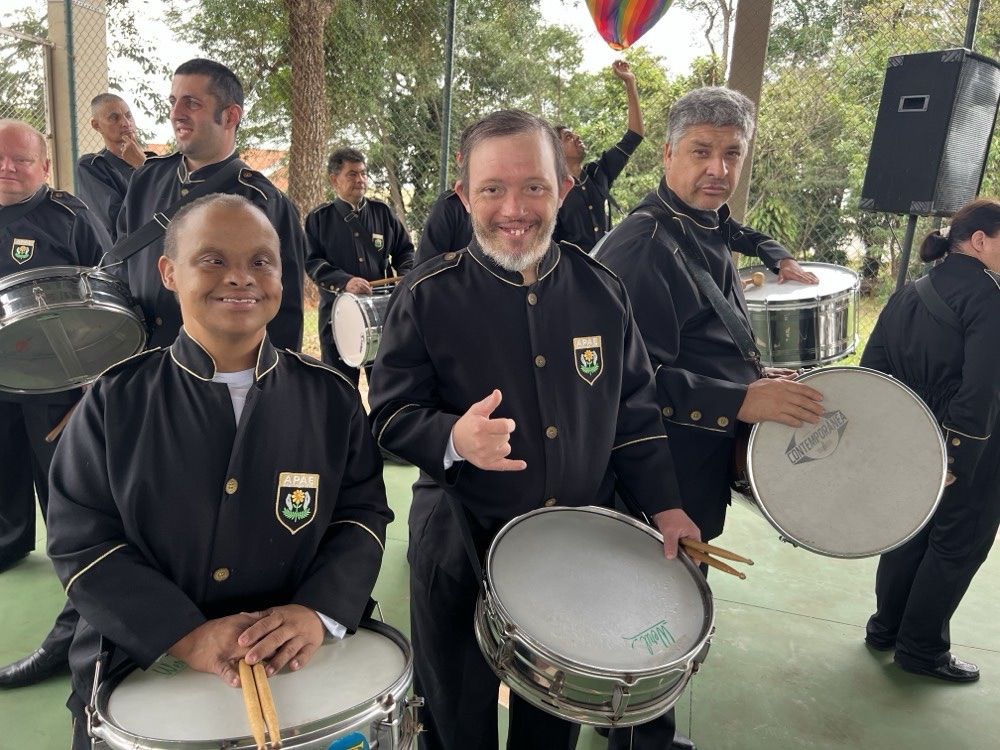
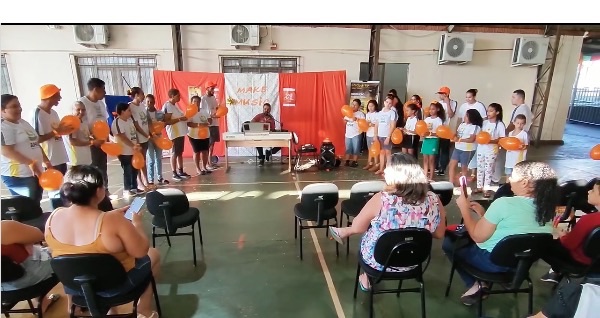
APAEsActivities with students, families, staff and community.
Specialized educational servicesCultural programs integrated into the support and development routine of participants.
Institutions for people with disabilitiesMusical experiences that respect autonomy, communication and support.
Long-term care facilities and retirement homesMusical circles, cultural visits and gatherings with families, staff and community.
Day centers for the elderlyMusical gatherings with participants, family members, caregivers and local networks.
Socio-educational unitsAuthorized cultural activities with adolescents, educators and reference teams.
Prison units and education projectsCircles, workshops and internal performances, always with institutional authorization and a security protocol.
Social and community projectsWorkshops, circles, performances and neighborhood actions.
Partner schoolsWhen it makes sense, schools can support local institutions with spaces, musical groups and community engagement.
CSOs and cultural organizationsCultural mobilization with free access and community participation.
Choirs, bands and percussion groupsExisting groups can join the local program.
Public departments and agenciesEducation, Culture, Social Welfare, Disability Affairs, Elderly Affairs, Justice and Human Rights can articulate the network.
Supporting companiesLocal brands can support structure, transportation, documentation and outreach.