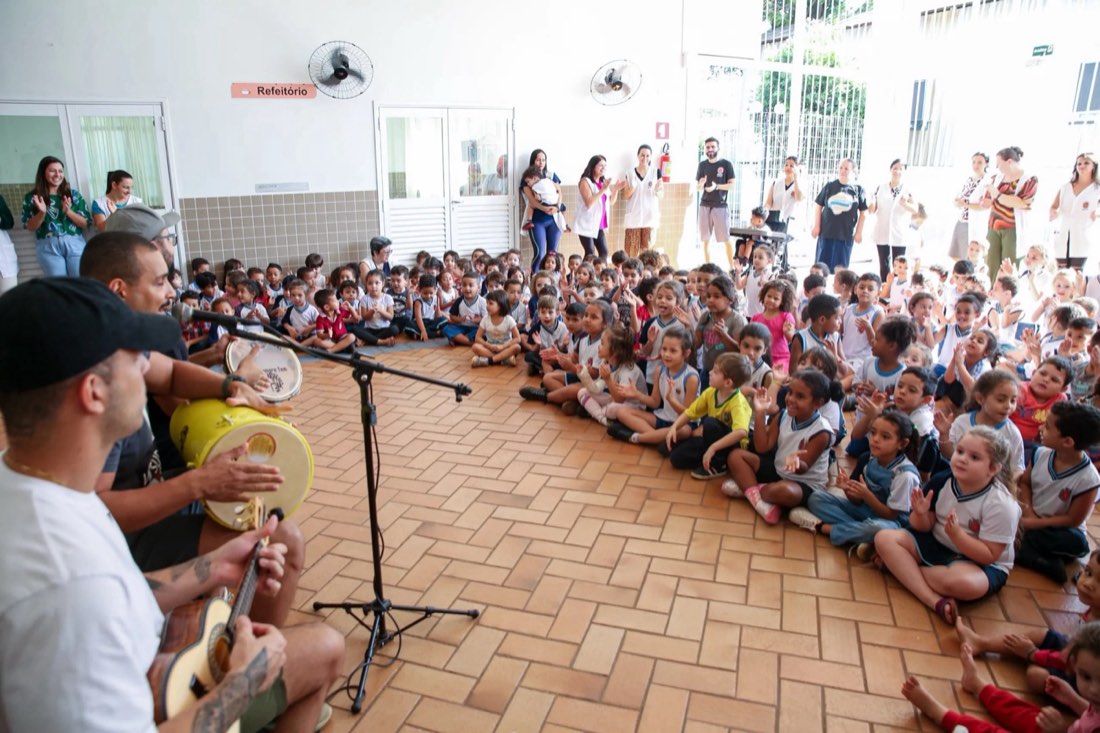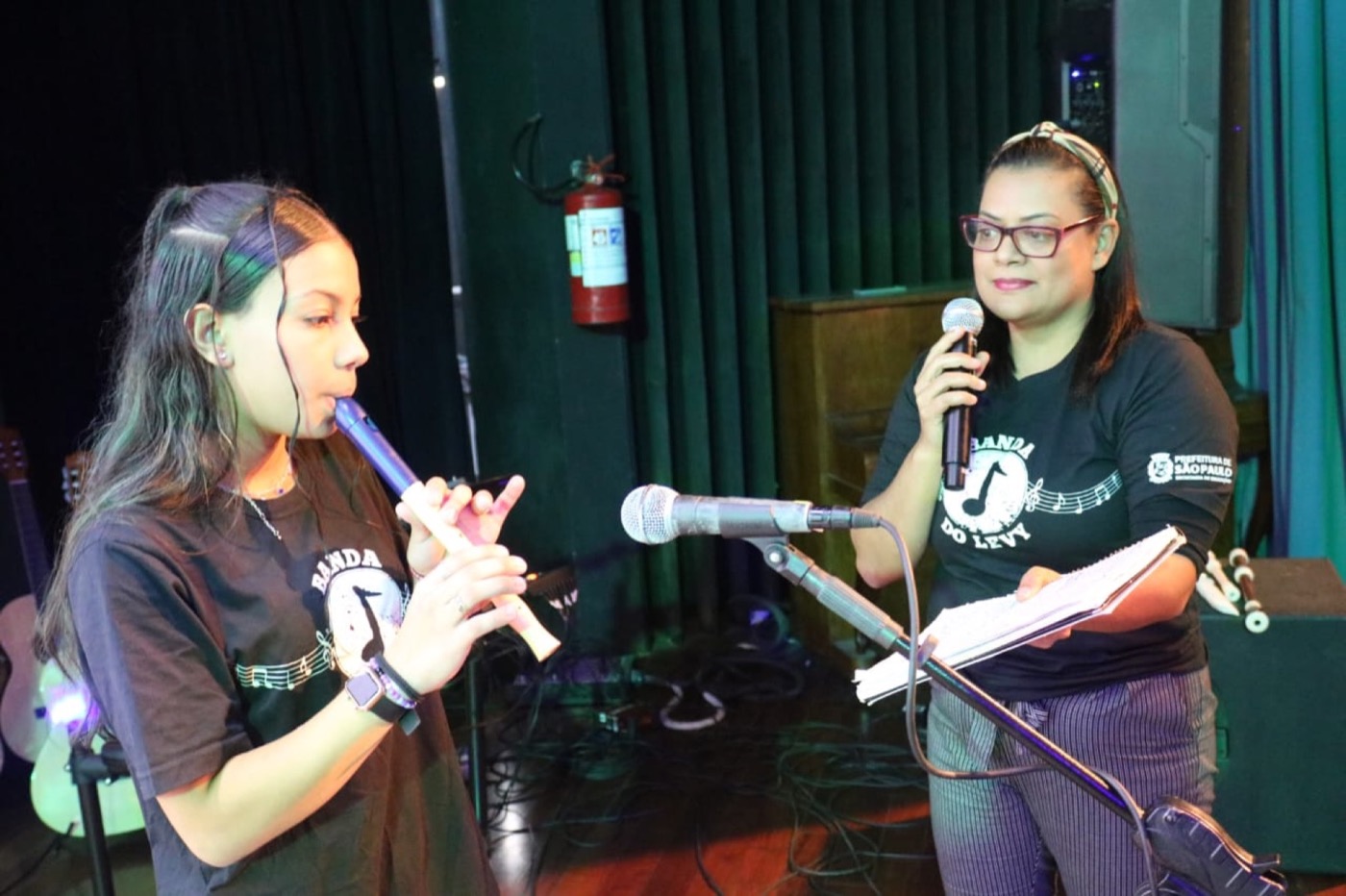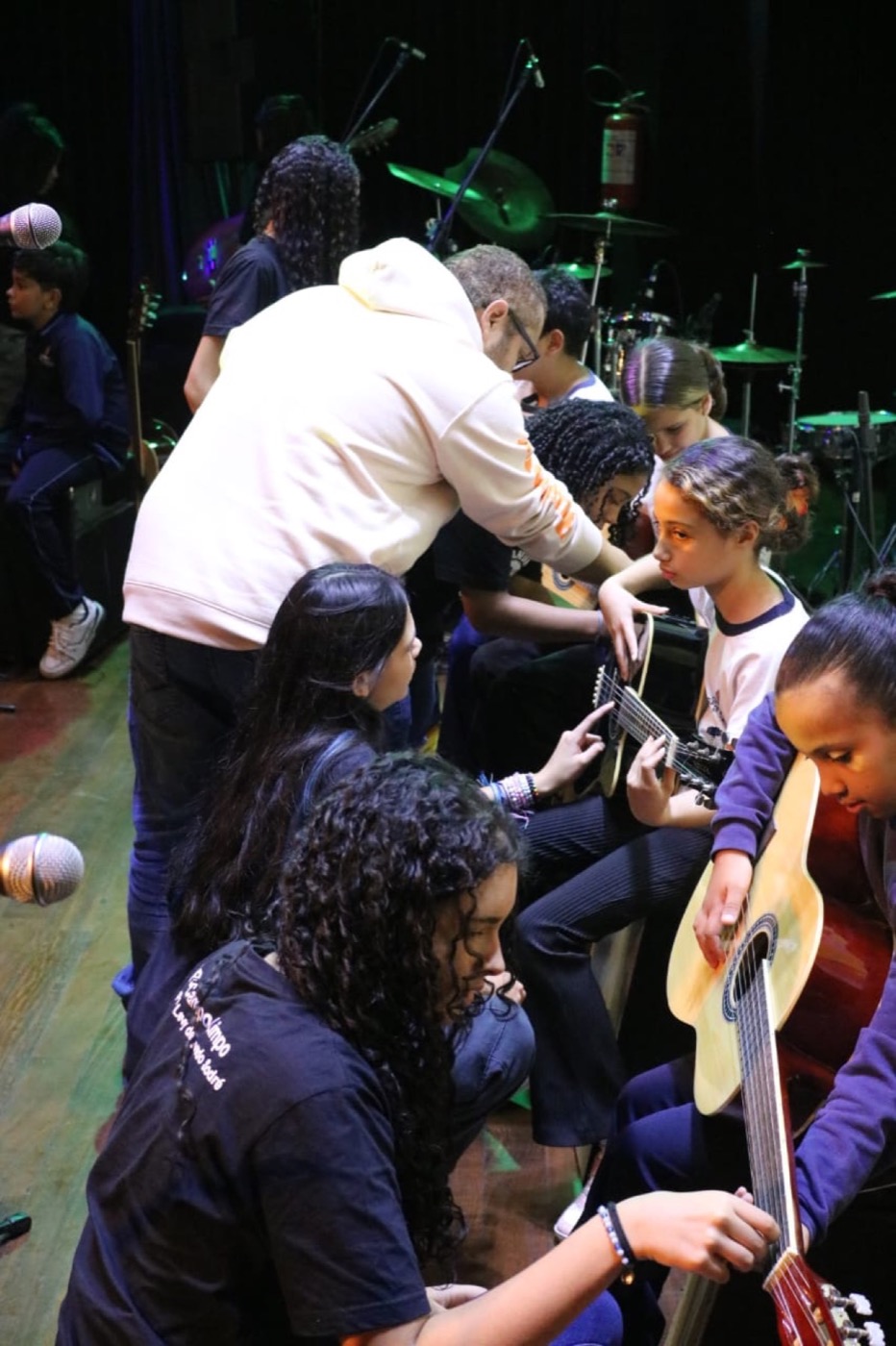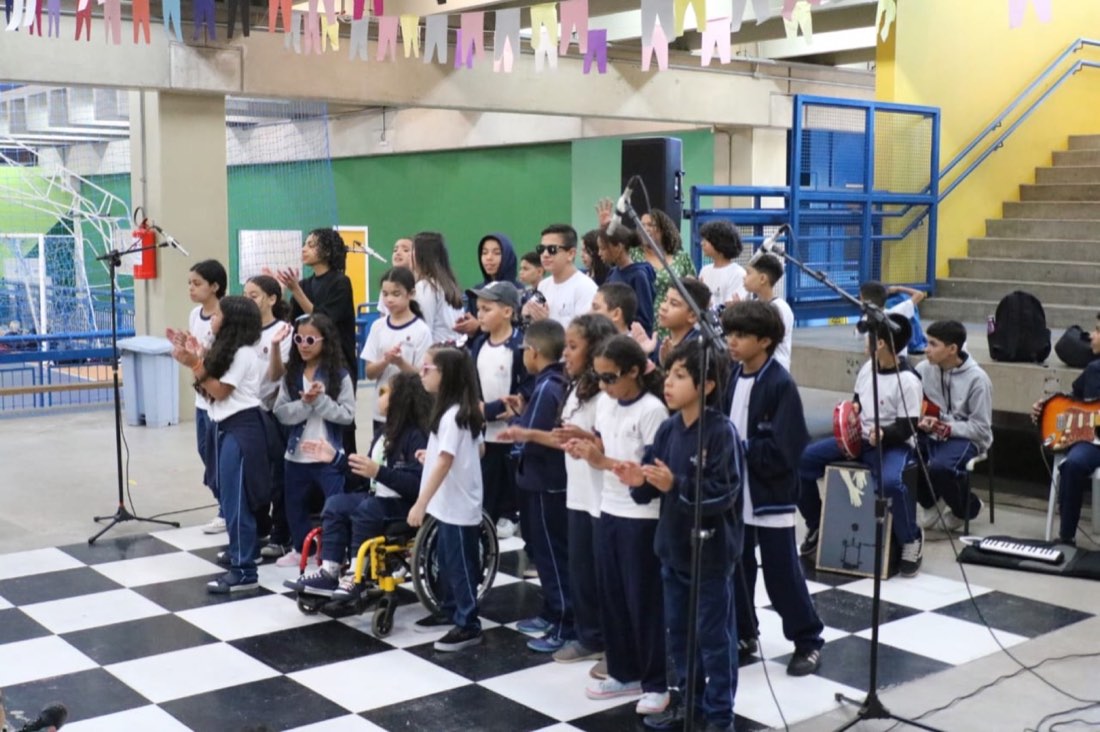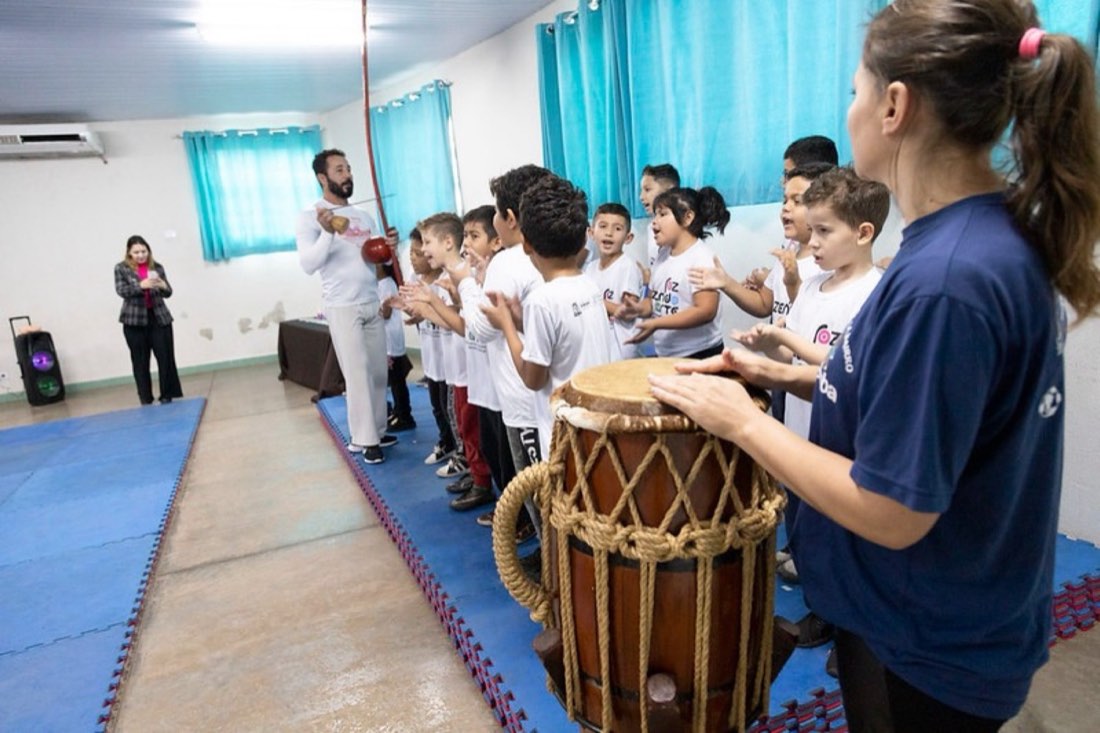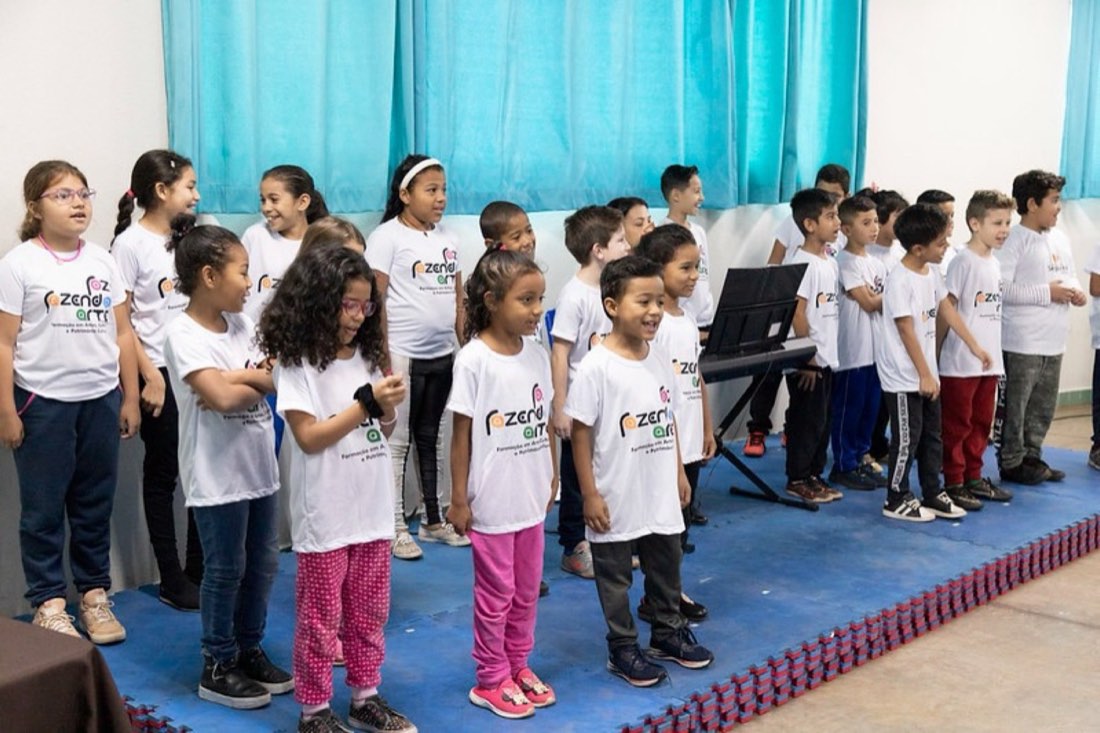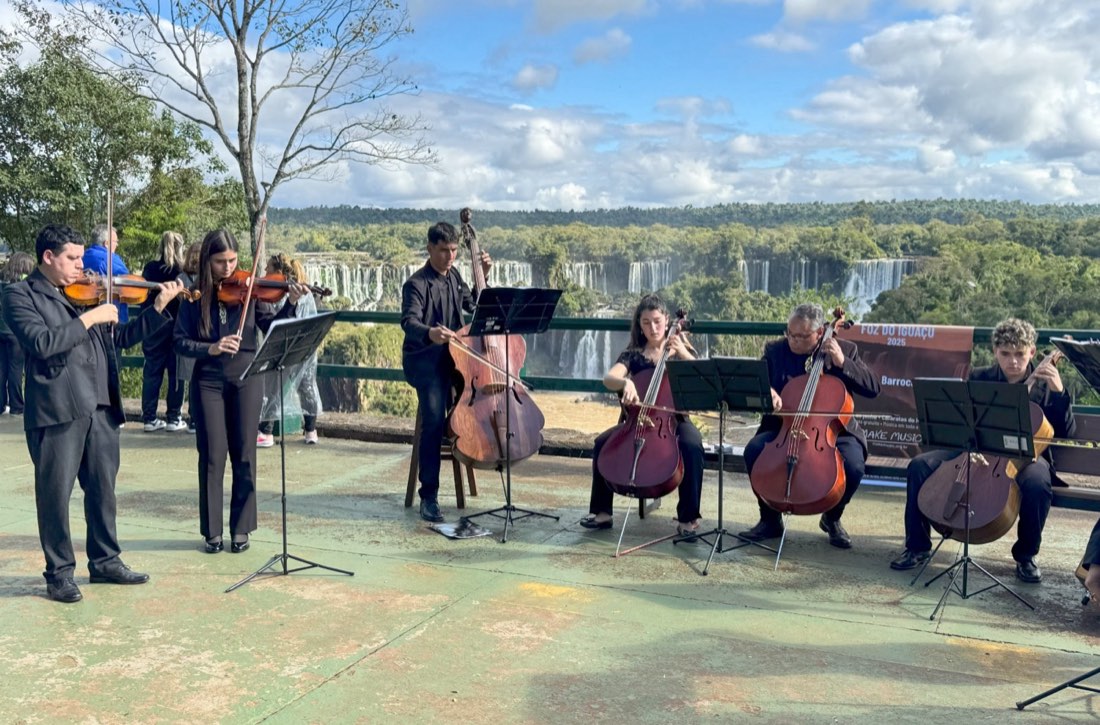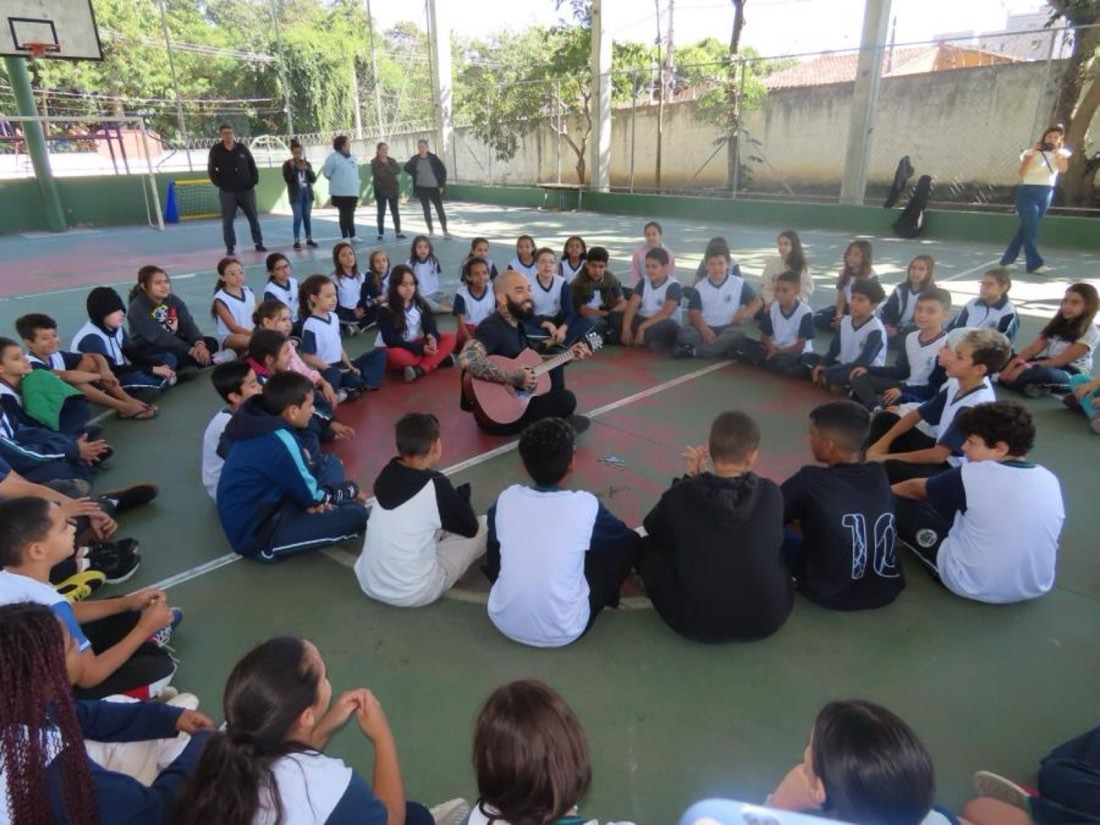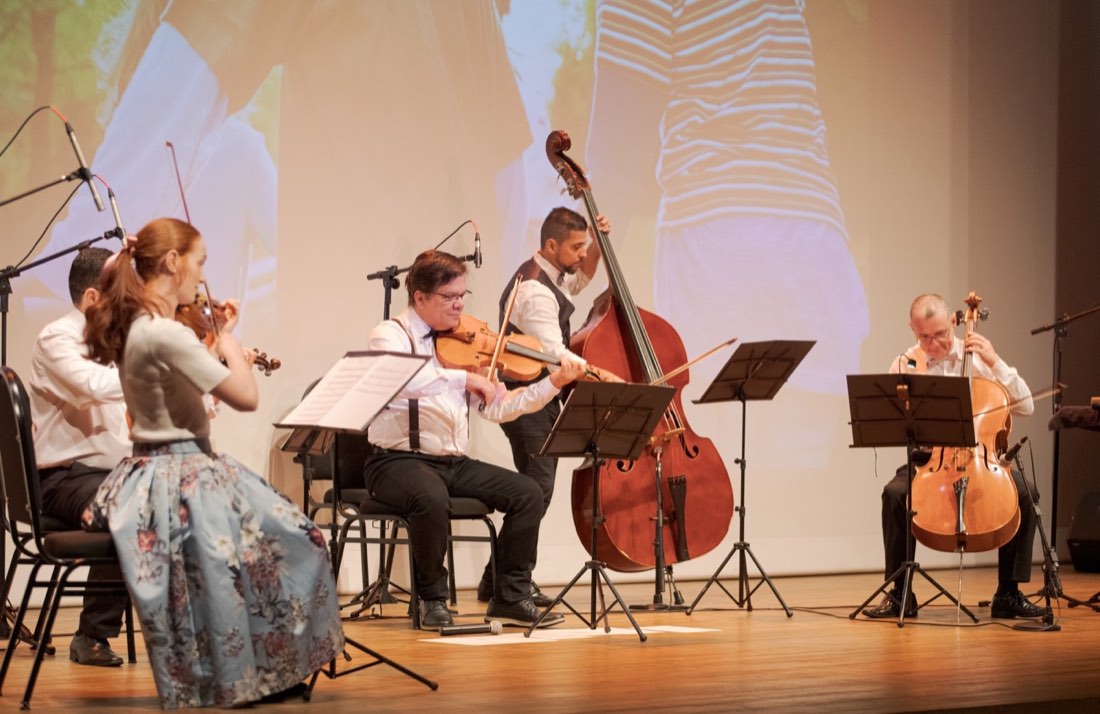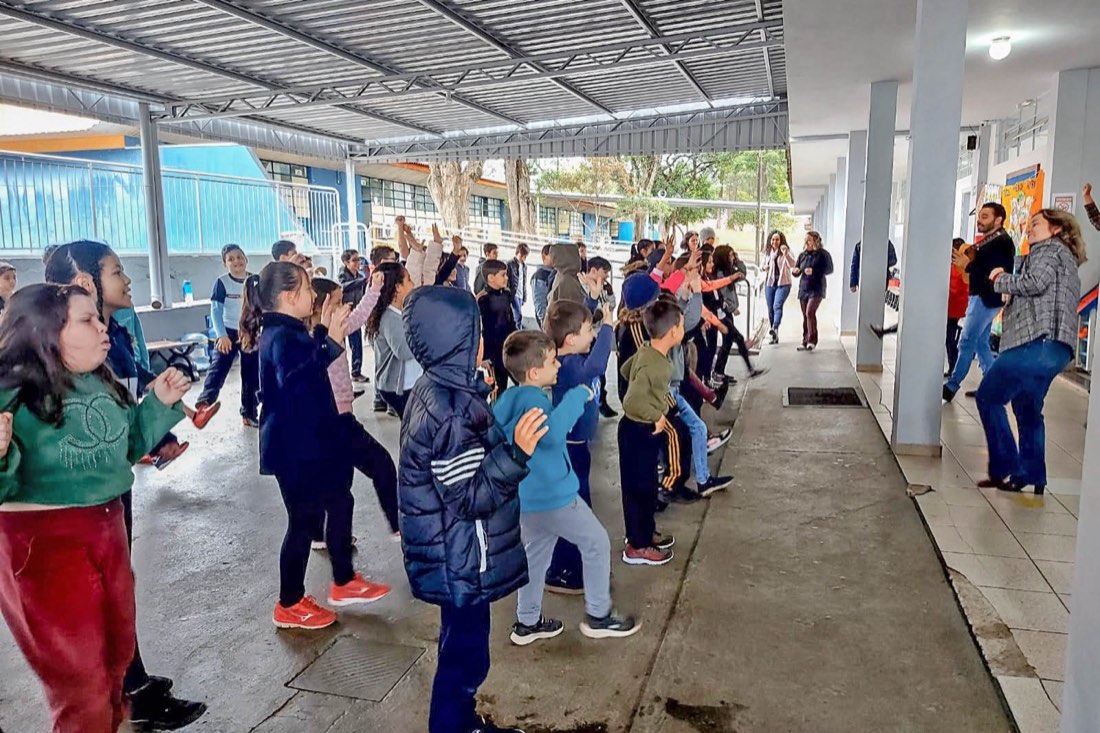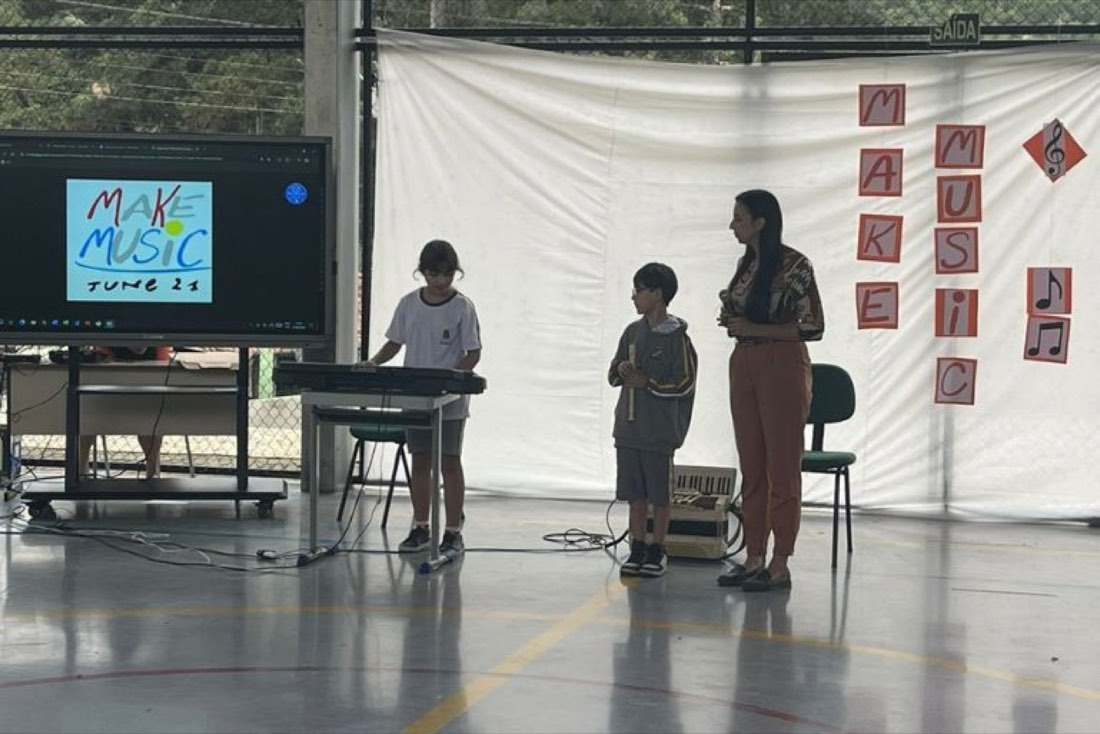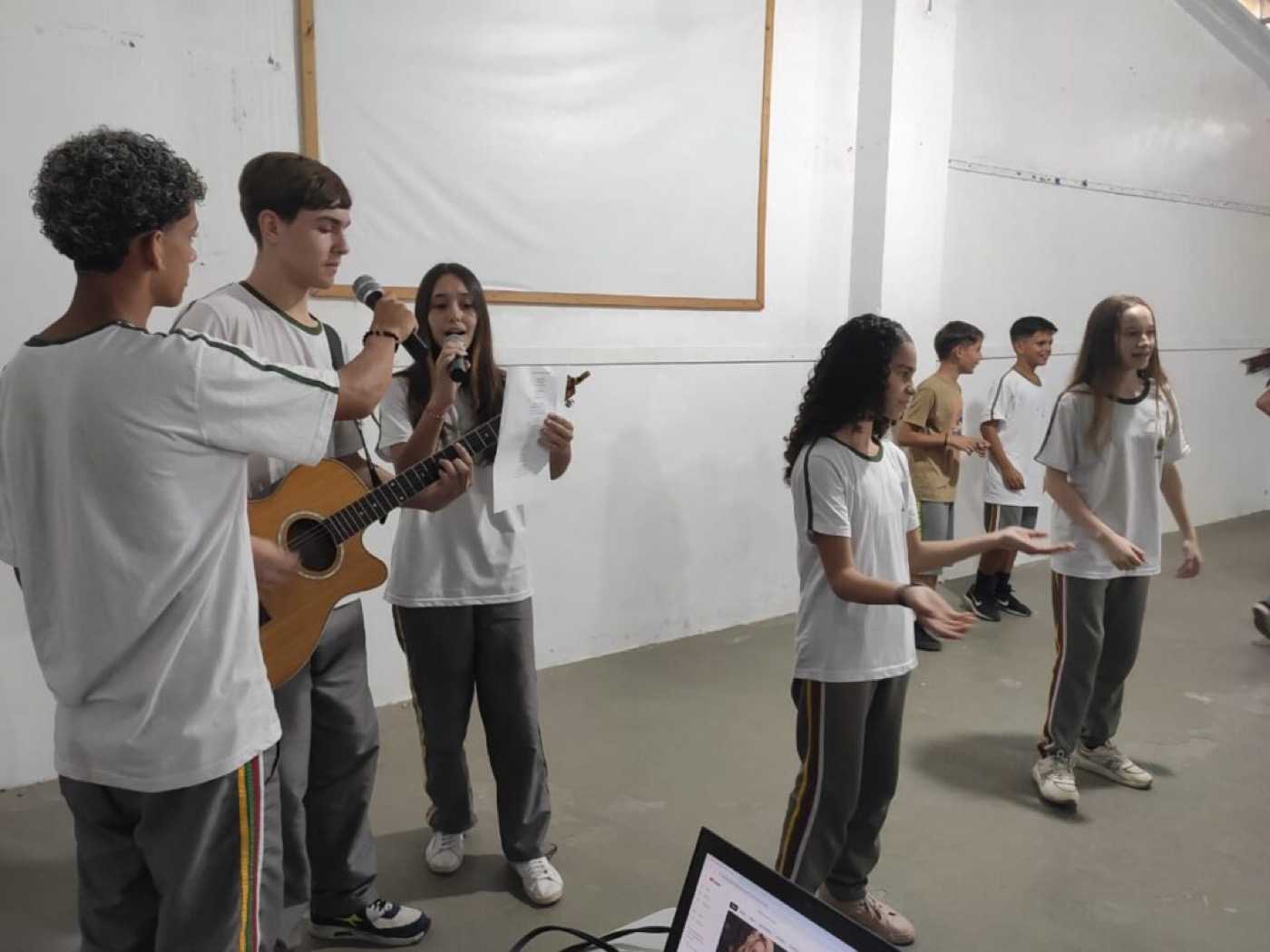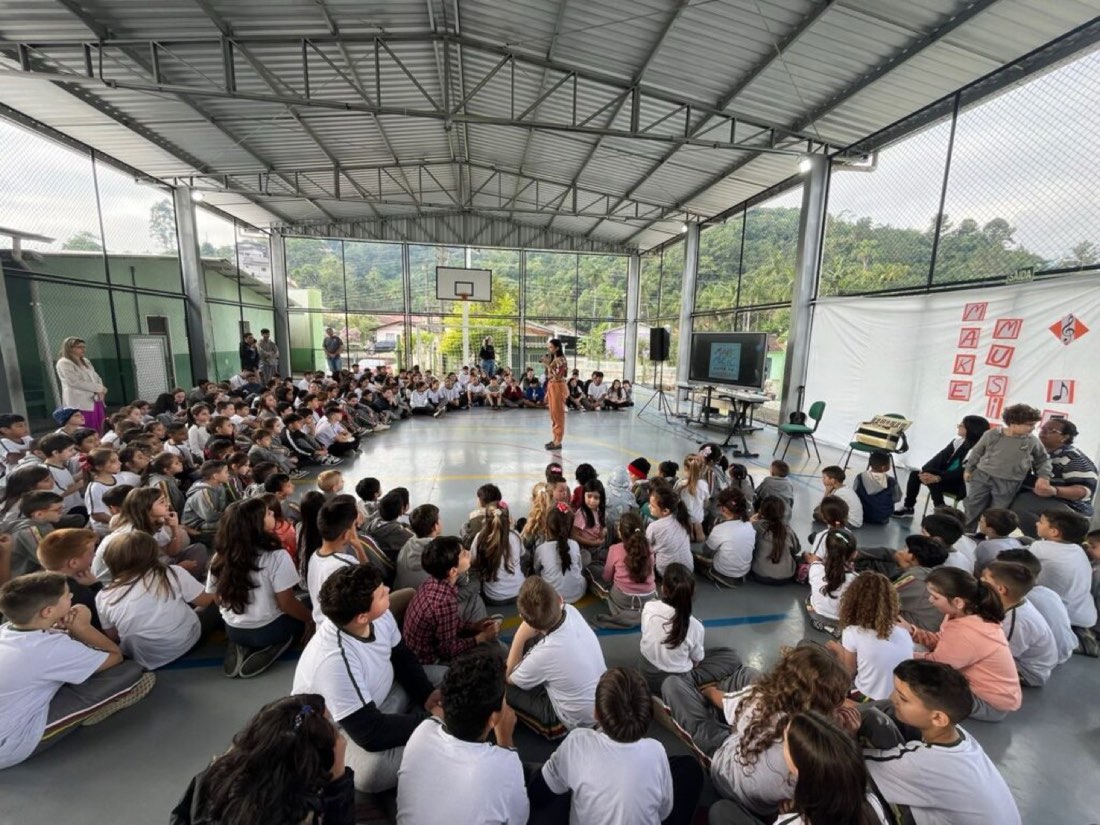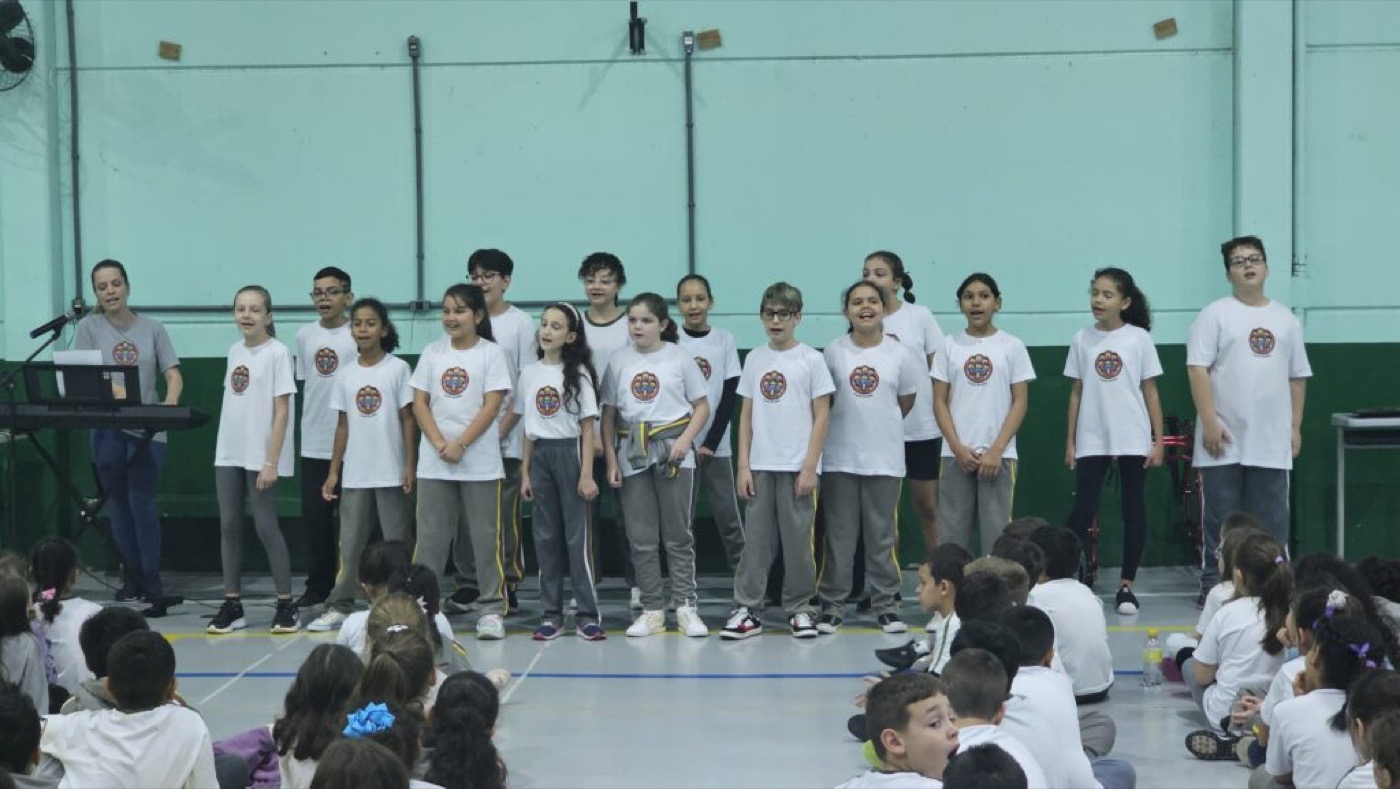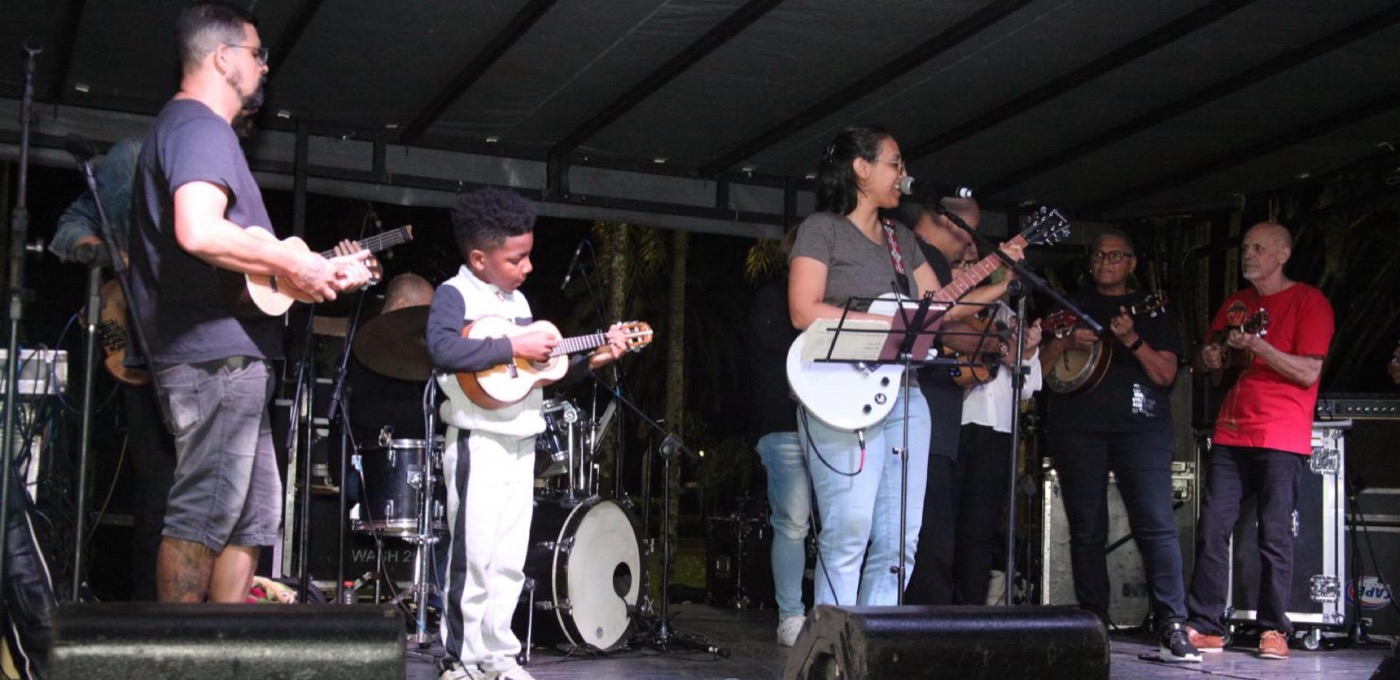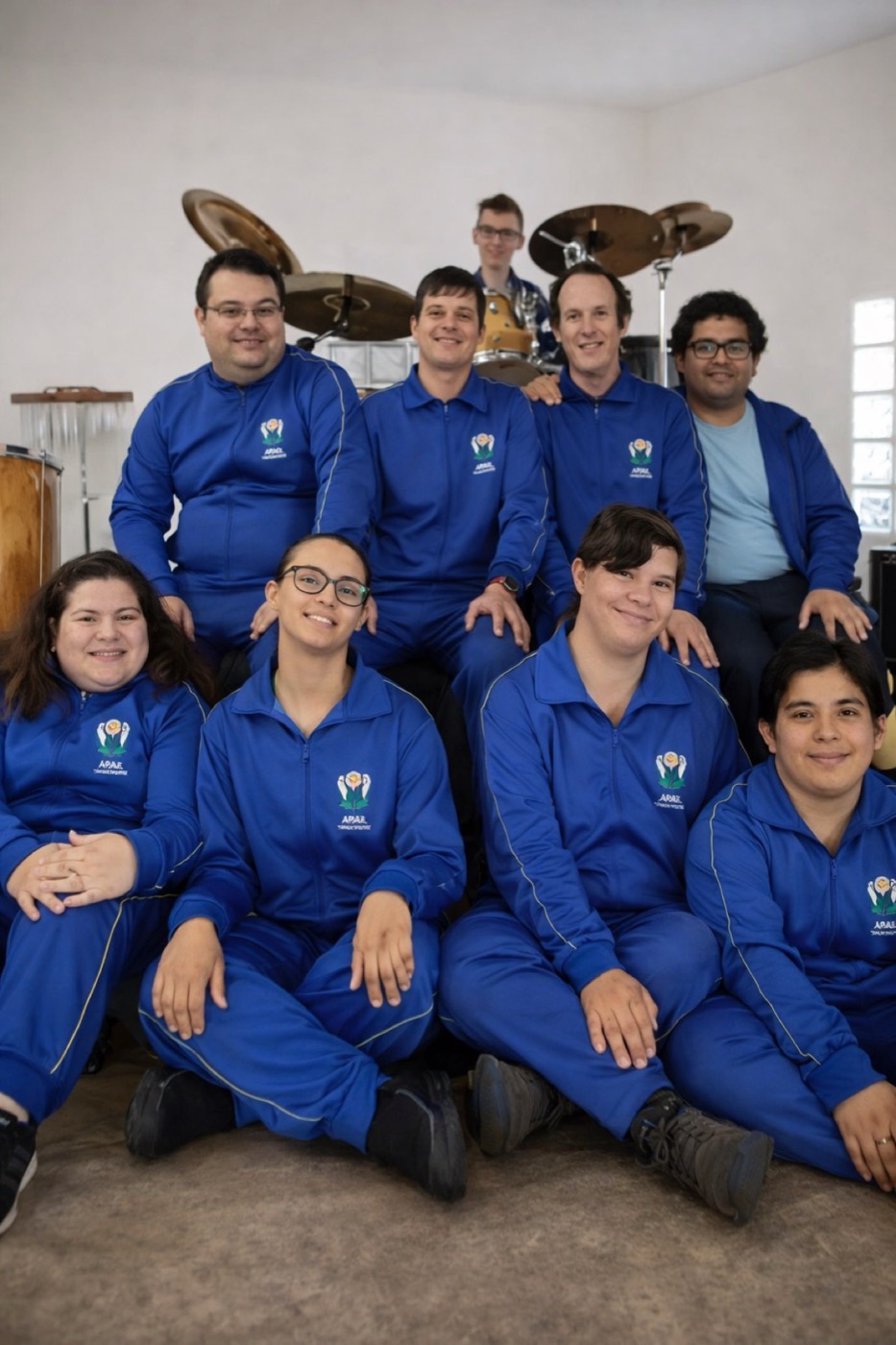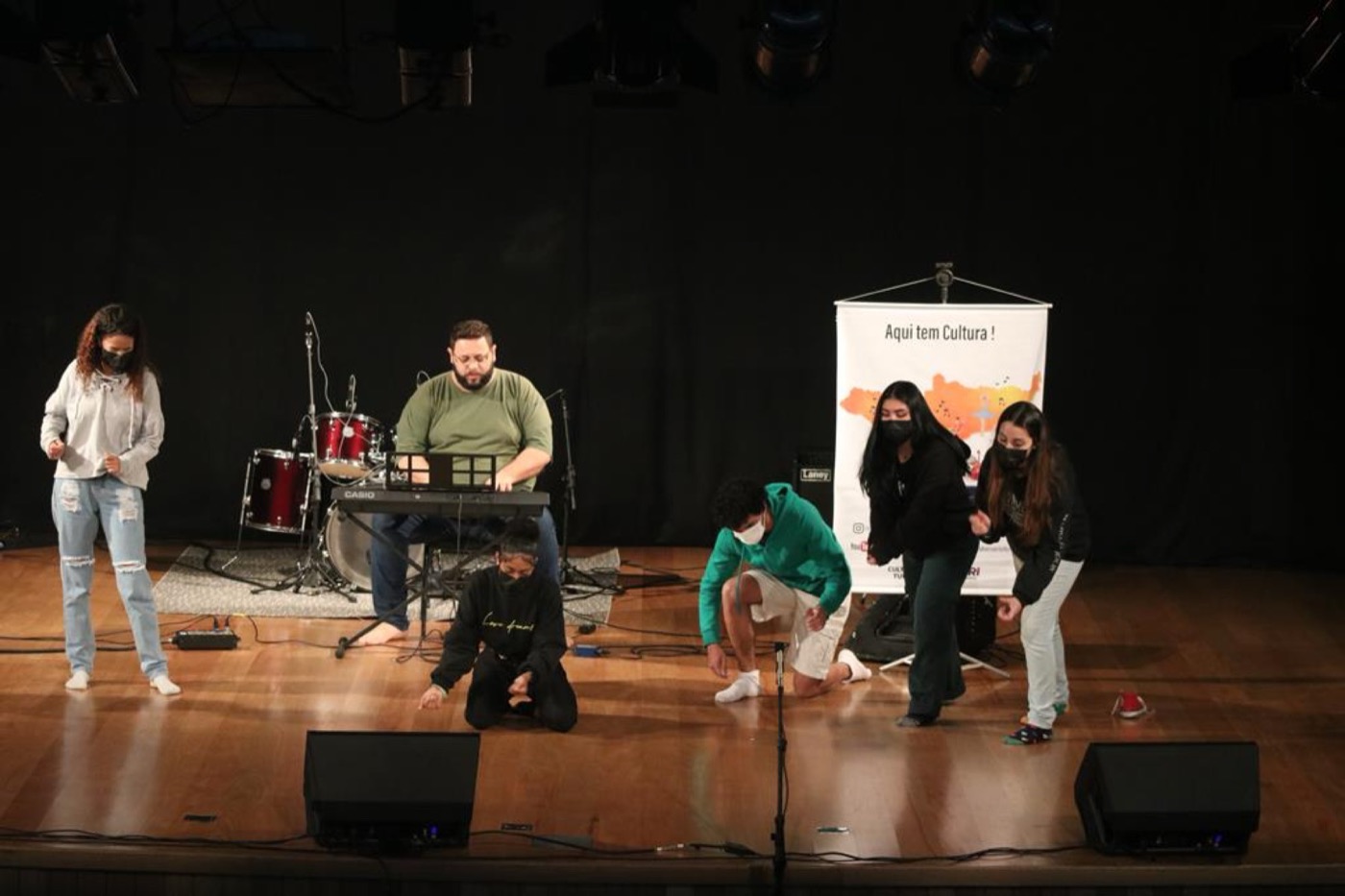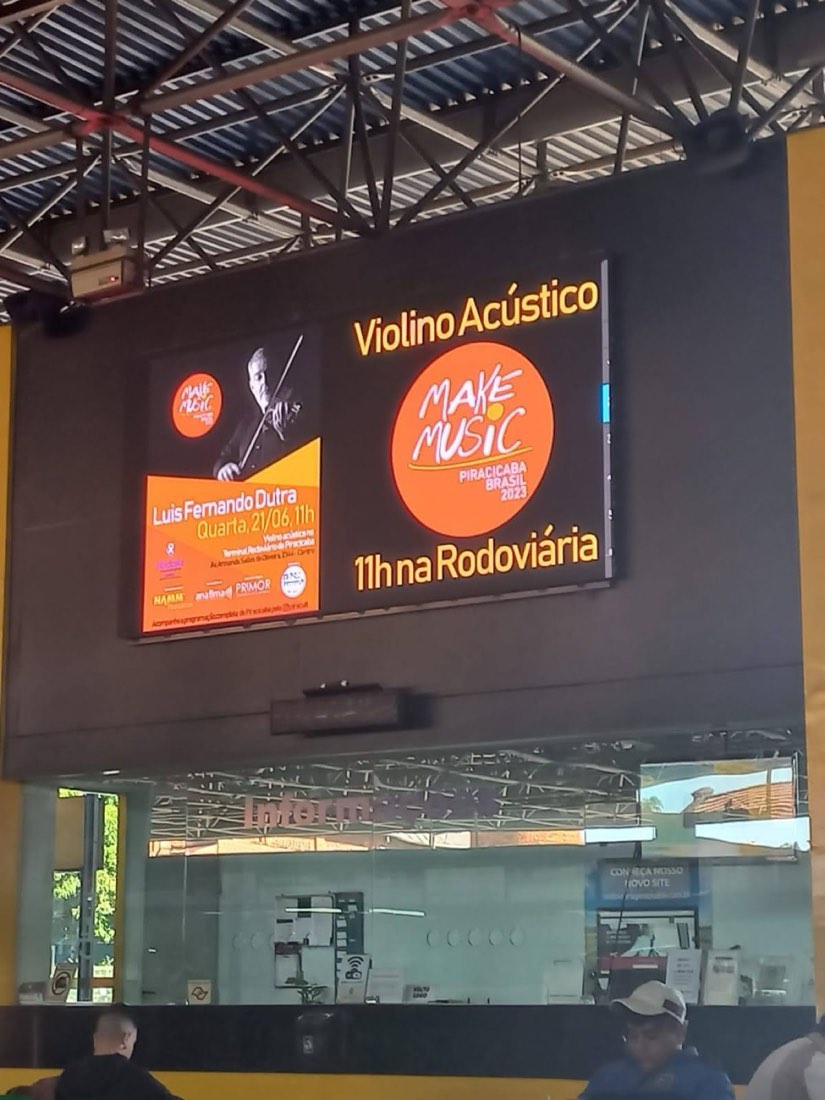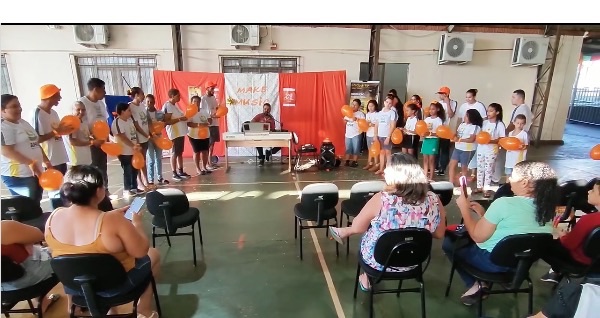
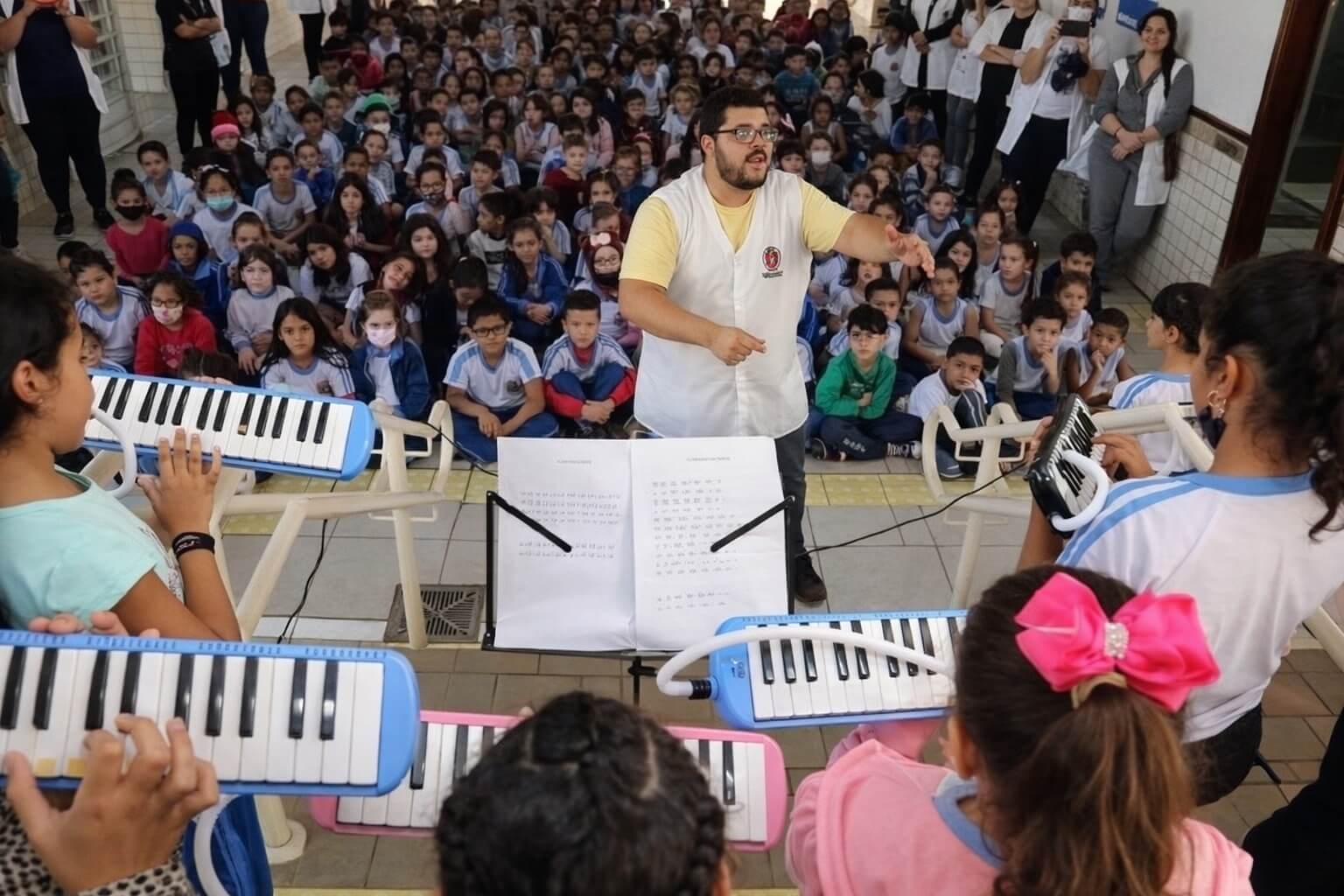
Teacher and students in a school performance during Make Music Day
For Mayors · Departments of Education, Culture and Tourism

On June 21st, hundreds of Brazilian cities join the same cultural calendar as Paris, Berlin and Tokyo.

Free to join · No public bidding required · Ready-made kit · Non-partisan. The City Hall names a focal point, receives the materials, and the municipal school network chooses the format — from a pilot school to the entire city.

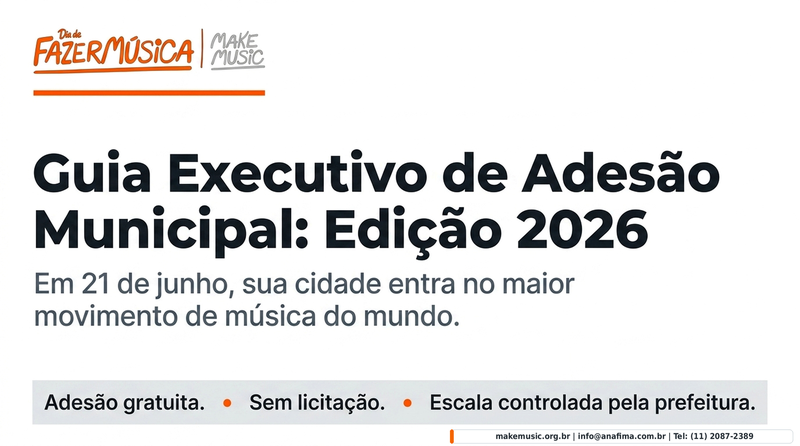
Executive Guide for Municipal Adoption 2026

15 pages with side-by-side scenarios, auditable institutional returns across four fronts (Education, Culture, Communications and Mandate) and ready-made answers for the legal team. Sign-up open until May 31st.

R$ 0 cost No bidding required Scale under control Non-partisan agenda
Download guide for managers → See both guides
693+ Brazilian municipalities on the movement's map
Hundreds of schools and communities mobilized
120+ countries in the global movement
2,000+ cities celebrate on June 21st

Municipalities on the Make Music Day map

Each dot represents a municipality where musicians, music stores and schools, institutions or the public sector itself have joined the movement. Make Music has already reached 693+ Brazilian municipalities — and it keeps growing.

Size proportional to the number of registrations

Four answers that unlock the institutional "yes"

The question inside the mayor's office, before any decision, is always the same: how much effort, how much cost, who signs. The answers, in order.

01 · Joining

Free. No public bidding.

There is no third-party contract, membership fee or joining charge. The City Hall enters the movement with a single institutional e-mail.

02 · Operations

Ready-made kit. Ready-made memo.

Graphic materials, text for the school network, script for the focal point. Each school chooses the format within its existing routine.

03 · Cost

Zero, unless you scale up.

No mandatory main stage, no production, no compulsory artist fees. Local investment only exists if the city voluntarily decides to expand.

04 · Politics

Non-partisan. Educational. Cultural.

The same format works in large, medium and small cities. A safe agenda in a pre-election year, with no ideological slant.

Four auditable returns in 2026 with a single "yes"

The same decision activates four fronts that reach the mayor's office as a positive agenda — at no direct cost and in a pre-election year.

01

Education

Students and teachers in a positive public narrative. Aligned with the City Curriculum, LDB, ECA and the National Education Plan (PNE).

02

Culture

Public venues and local artists expand the municipal agenda without the need for a central stage production.

03

Communications

A non-partisan, free story with an educational angle. Press coverage, official channels and local media.

04

Mandate

The city on the global calendar. Official certificate. A local foundation that can be repeated in 2027.

"The reason for the Department to get involved in actions like Make Music is to strengthen this sector that, like it or not, contributes to the economic development of the city."

— Jin Petrycoski, Secretary of Tourism of Foz do Iguaçu, 2026

Four ways to join the movement.

Each city activated the movement through the path that made sense for its own reality — the school network, cultural venues, a legislative motion or community mobilization. The paths add up, they don't compete. Below, a selection of success stories — a sample of what is already happening across the 693+ Brazilian municipalities reached by the movement.

Municipal education network Culture, tourism and foundations City councils and legislative motions Community mobilization and regional presence

CITY HALLS · DEPARTMENTS OF EDUCATION · PUBLIC SCHOOLS

Municipal education network

Cities where the municipal education network took over the celebration: departments, schools, early-childhood centers (CMEIs) and teaching teams.

Maringá — PR Music-Friendly City · 40,000 students in 2026 · Open stage

Maringá is currently the leading public-sector case for Make Music Brazil in its work with government. In 2025, the City of Maringá — through the Departments of Education and Culture — prepared all 117 schools and early-childhood centers (CMEIs) for the celebration, organized activities in the schools and held an open stage for the community. The city was later honored as a "Music-Friendly City," consolidating its position as a national reference for integration between public education, culture and civic participation.

In 2026, Maringá scaled up: it was the first city in Brazil to involve around 40,000 students from the municipal public network in Make Music Day (June 18 and 19), with a main stage at Parque do Ingá on June 21 and the opening of the Municipal Music Month. The city also held the charity concert “I Was Here” at the Calil Haddad Theater, with admission donated as blankets for the Winter Clothing Drive.

See full case study →
São Paulo — SP Official SME · 256 schools (2025) · Estação da Luz + CEUs (2026)

São Paulo's Municipal Department of Education (SME) officially joined Make Music Day | Make Music and turned the date into a network-wide mobilization. In 2024, SME registered 256 schools involved, with an estimated impact of around 200,000 people. In 2025, the department maintained its official call to schools, reinforcing student leadership. Schools held their activities on June 18, 2025 — during the event week — ensuring participation without disrupting the school routine.

In 2026, São Paulo extended the movement beyond the school network. On Sunday, June 21, the Estação da Luz train station (CPTM) hosted Make Music Brasil from 10am to 6pm, with open performances at one of the city’s busiest hubs. That same week, on June 25, the municipal school network celebrated Classical Music Day in Schools — in tune with Make Music Day and in honor of maestro João Carlos Martins (Law No. 18,372/2025). The highlight was CEU Azul da Cor do Mar, with choirs, an exhibition of instruments built by the children, workshops, capoeira, instrumental bands and the Risca Quatro string quartet, plus a performance by the maestro himself on his birthday. DIAC also arranged a didactic concert and a performance by the Municipal Youth Symphony Orchestra at the Theatro Municipal and Praça das Artes, with complementary programming at the Carrão, Freguesia do Ó and Pinheirinho CEUs.

Foz do Iguaçu — PR Municipal network · Cultural Foundation · Border city

In Foz do Iguaçu, Make Music Day | Make Music has gained traction across the municipal school network and through cultural activities open to the city. In 2023, the City Hall recorded the participation of 32 schools — including municipal schools, early-childhood centers (CMEIs) and partner units — along with the Cultural Foundation. The mobilization connects education, culture, tourism and the community in a territory with strong national and international visibility. Foz illustrates how border cities can use music to bring together schools, public spaces, artists and diverse audiences around a global celebration.

In 2026, Foz prepared the largest edition in its history: free programming filled public spaces such as the Mercado Público Barrageiro, the Feirinha da JK and the Teatro Barracão, while the independent scene brought rock and hip hop to bars and studios on the city’s outskirts. The city also coordinated the celebration across the Triple Frontier (Brazil, Argentina and Paraguay), reinforcing its international vocation.

"The reason for the Department to get involved in actions like Make Music is to strengthen this sector that, like it or not, contributes to the economic development of the city." — Jin Petrycoski, Secretary of Tourism of Foz do Iguaçu, 2026
Pindamonhangaba — SP 25 Schools · ~7,500 students

25 schools took part in Make Music Day | Make Music, involving roughly 7,500 students in performances, workshops and musical activities. The Department of Education linked the event to the promotion of local culture, the strengthening of community ties and the cultural and educational development of students.

Londrina — PR Programa Vencer · Municipal education · 20 schools

Londrina joined the Make Music Day map through its municipal education network and the Programa Vencer initiative. In 2024, municipal schools and early-childhood centers (CMEIs) organized activities in 20 schools, with nine cultural and educational disciplines connected to music — music education, dance, choral singing, ballet, theater, capoeira and circus arts. The action shows how Make Music Day can be incorporated into existing educational programs, expanding students' access to artistic experiences and strengthening the presence of music in everyday school life.

Cianorte — PR Culture and Education · All municipal schools

Cianorte celebrated Make Music Day with a mobilization rolled out directly across municipal schools. The Department of Culture, in partnership with Education, organized musical moments in every school in the network, featuring local artists and activities in each shift. The format is simple, replicable and has strong educational impact: bringing music into the daily life of students and teachers, connecting culture, community and learning. Cianorte's case shows how a city can join Make Music with a light operation and a strong educational presence.

In 2026, the 12th Rock na Feira — held at the Producers’ Market, in Largo Duque de Caxias — officially became part of Make Music Day, with the Municipal Department of Culture bringing together local bands, a theatrical intervention, poetry and visual arts in a single day of celebration.

Belo Horizonte — MG Municipal education · Best practices

Belo Horizonte is part of the Make Music Day | Make Music map with an official record from its municipal education network. The City of Belo Horizonte highlighted Make Music Day 2024 as a best practice at the Professor Amílcar Martins Municipal School, connecting music, the classroom and student participation.

The case shows how the celebration can be incorporated into the teaching routine and strengthen musical experiences inside public schools.

Brusque — SC Local press · Schools and community

Brusque has documented public presence at Make Music Day through coverage in the local press, with special programming and participation from schools, organizations and the wider community. The mobilization shows how the movement can spread into educational, inclusive and community-oriented settings.

Brusque's track record reinforces the community calling of Make Music Day: an open, decentralized celebration capable of bringing different audiences together around music-making.

João Pessoa — PB 1st city in Paraíba · Municipal network · Sedec-JP

João Pessoa joined Make Music Day | Make Music for the first time in 2026, becoming the first city in Paraíba to enter the global calendar. The Department of Education and Culture (Sedec-JP) opened the programming at the Municipal Administrative Center, with a junina performance by students of the Anísio Teixeira municipal school, musical accompaniment by students from the network and a teachers’ band. The department announced year-round actions and the creation of the city’s first Municipal Music School.

“The capital becomes the first city in the state to be part of this global calendar.” — Daniel Nascimento, Head of the Culture Section at Sedec-JP, 2026
Capivari — SP 1st participation · Culture and Education

Capivari hosted Make Music – Dia de Fazer Música for the first time in 2026. The Departments of Culture and Education brought student performances to the EICAP Professor Dirceu Ortolani Stein school, in the Castelani neighborhood, valuing music as a tool for learning, creativity and integration.

“These performances reinforce the value of Culture and Education, giving students the chance to experience music as a tool for learning, creativity and integration.” — Cris Ananias, Secretary of Culture of Capivari, 2026
Mongaguá — SP Official adoption · 18 schools · ~2,500 children · Inclusion

Mongaguá officially joined Make Music in 2026, with international certification. About 2,500 children from 18 schools — from early childhood to elementary education — took part with music classes in the regular curriculum: guitar, recorder, theory, rhythm and body percussion. The network included Libras (Brazilian Sign Language) in the programming, joining music and accessibility at the Minol Ivata municipal school.

“Joining Make Music is an achievement that values the dedication of our network’s professionals and significantly broadens students’ horizons.” — Maria Marta Soares, Secretary of Education of Mongaguá, 2026
Imperatriz — MA 1st participation · SEMED · Inclusion

Imperatriz joined the movement for the first time in 2026, through the Municipal Department of Education (SEMED). The programming began at the Professor Telasco Pereira Filho Bilingual Municipal School for the Deaf, where the Ritmo do Coração band brought music as an inclusive experience for deaf students, using light cues; it continued with a recital by the Projeto Tocar (singing and ukulele) and closed with a children’s show. The action mobilized the Music Conservatory, the SIADI and the bilingual school.

“This project reaches Imperatriz for the first time.” — Bárbara Silva Mendes, Make Music Brazil coordinator in Imperatriz, 2026
Contagem — MG Contagem Faz Música · Culture and Education

Contagem joined Make Music Day 2026 with the “Contagem Faz Música” initiative, a partnership between the Departments of Culture and Education. The programming connected schools from the Projeto Harmonia, the Sabra Music School, the CEUs das Artes and the Contagem Music Association (AMC), with open performances at Praça da Jabuticaba — including the Sabra String Orchestra. The city treated music as a tool for education, inclusion and social transformation.

Curitiba — PR Municipal network · 96 units · SME Curitiba

Curitiba brought Make Music Day | Make Music to its entire municipal school network in 2026. During the week of June 15–19, 96 units — schools, Integral Education Units (UEIs) and Municipal Early-Childhood Education Centers (CMEIs) — engaged children, students and teachers in body percussion, percussion with instruments, choral singing and recorder. The activities were built into the school routine through the Percussion, Choral Singing and Recorder educational projects and Art classes, with students singing and playing to guitar, keyboard, flute, accordion and clarinet.

At CEI Issa Nacli, in the Uberaba neighborhood, the choir — with 64 members — and percussion projects led by teacher Maria da Luz Mattoso de Abreu show the continuity of the work: music as a daily experience of rhythm, listening and creation, not a one-off event.

“The Municipal Department of Education encourages and supports projects that promote musicality in its units.” — Silmara Campese Cezário, Projects Manager at SME Curitiba, 2026
Penápolis — SP 1st participation · Municipal network · Music education & Libras

Penápolis joined Make Music Day | Make Music for the first time in 2026, through the Municipal Department of Education. During the week of June 21, five early-childhood and elementary schools with a Music Education Workshop mobilized hundreds of children, teachers, families and community members — with students alternating between musicians, singers and audience.

The highlight took music beyond the school walls: around 50 students in the 4th and 5th grades from EMEF Marilena Cipriano performed in Libras (Brazilian Sign Language) at Praça Albertina Campachi, to the song “Dia Especial” by Tiago Iorc, reinforcing the movement’s inclusive vocation.

“The idea is to involve people of all ages, professional musicians or not, offering free and inclusive musical experiences.” — Janaína Marinho Marques, coordinator responsible for the mobilization in Penápolis, 2026
Barbacena — MG Municipal Conservatory · Alberto Corrêa School · June 21

Barbacena joined the Make Music Day | Make Music map on June 21, 2026. Invited by Make Music Brasil to be part of the official programming, the Municipal Conservatory presented a performance by its faculty, and the Alberto Corrêa Municipal School brought a folk dance performance to the global audience. The videos were sent to the national coordination and published on the movement’s official profile, connecting the city’s cultural and educational projects to a worldwide celebration.

DEPARTMENTS OF CULTURE · CULTURAL FOUNDATIONS · TOURISM

Culture, tourism and foundations

Cities where Culture or Tourism led the programming — in theaters, cultural foundations, public spaces and tourism circuits.

Santos — SP Department of Culture · Fábrica Cultural · 2 editions

Santos shows continuity and quality of public execution. In 2024, the city held its first local edition at the Fonte do Sapo. In 2025, the second edition brought together professional musicians and students from the Fábrica Cultural program of the Department of Culture — connecting public space, cultural training and student participation.

Vinhedo — SP Department of Culture and Tourism

The Vinhedo Department of Culture and Tourism presented the event as an incentive for music production, with participation open to the public and outreach through municipal channels. The case shows how cities of different sizes can activate the movement with direct support from local government and a strong connection to the community.

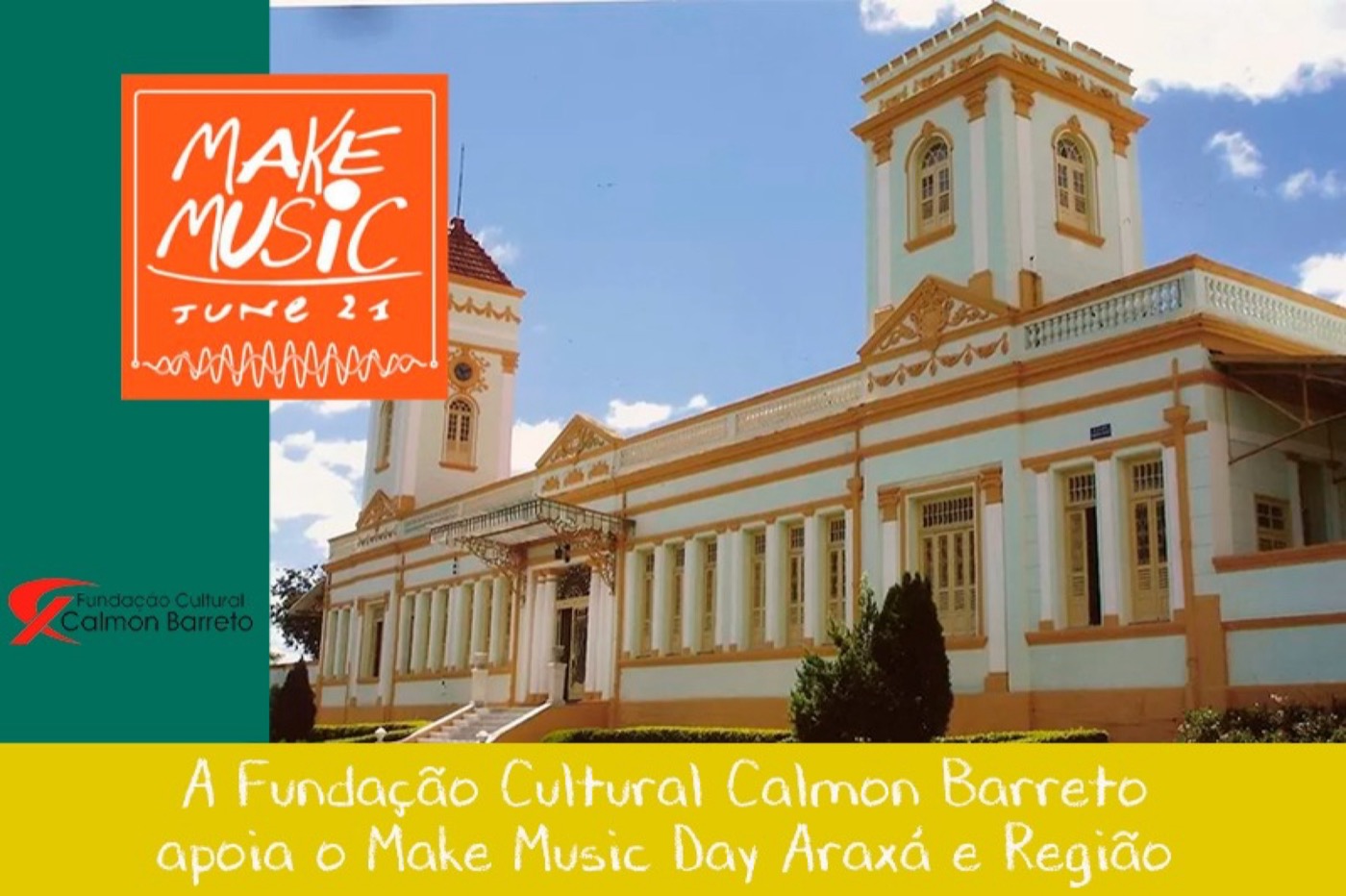
Araxá — MG Calmon Barreto Cultural Foundation

The Calmon Barreto Cultural Foundation, the city's official cultural body, recorded a partnership with Make Music Day | Make Music and the participation of music schools and students from the city and region. A clear example of how municipal cultural foundations can serve as local anchors for the movement.

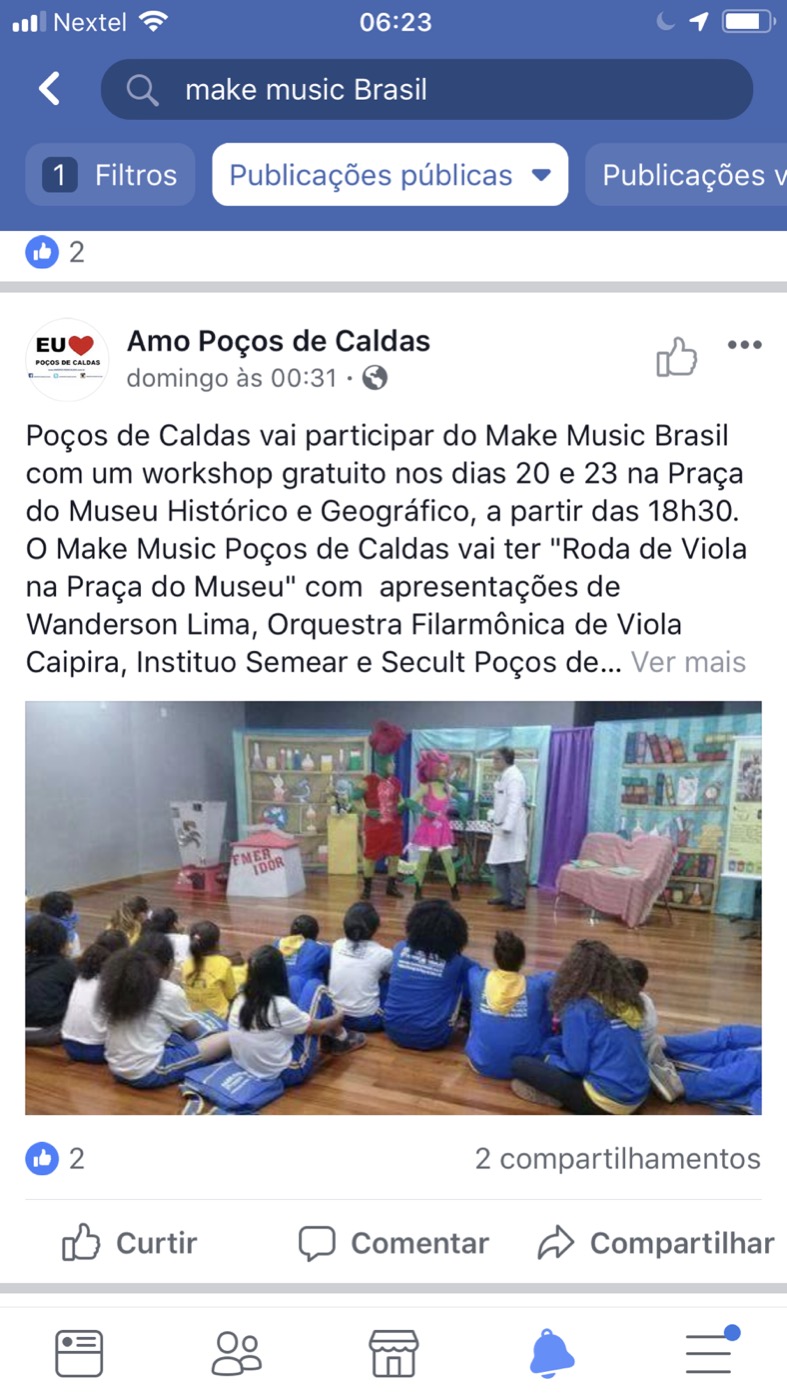
Poços de Caldas — MG Official City Hall record

The City of Poços de Caldas officially registered Make Music Brazil with a free workshop on the viola caipira circle and music programming in public spaces, featuring local musicians and groups — confirming the institutional presence of the movement in the state of Minas Gerais.

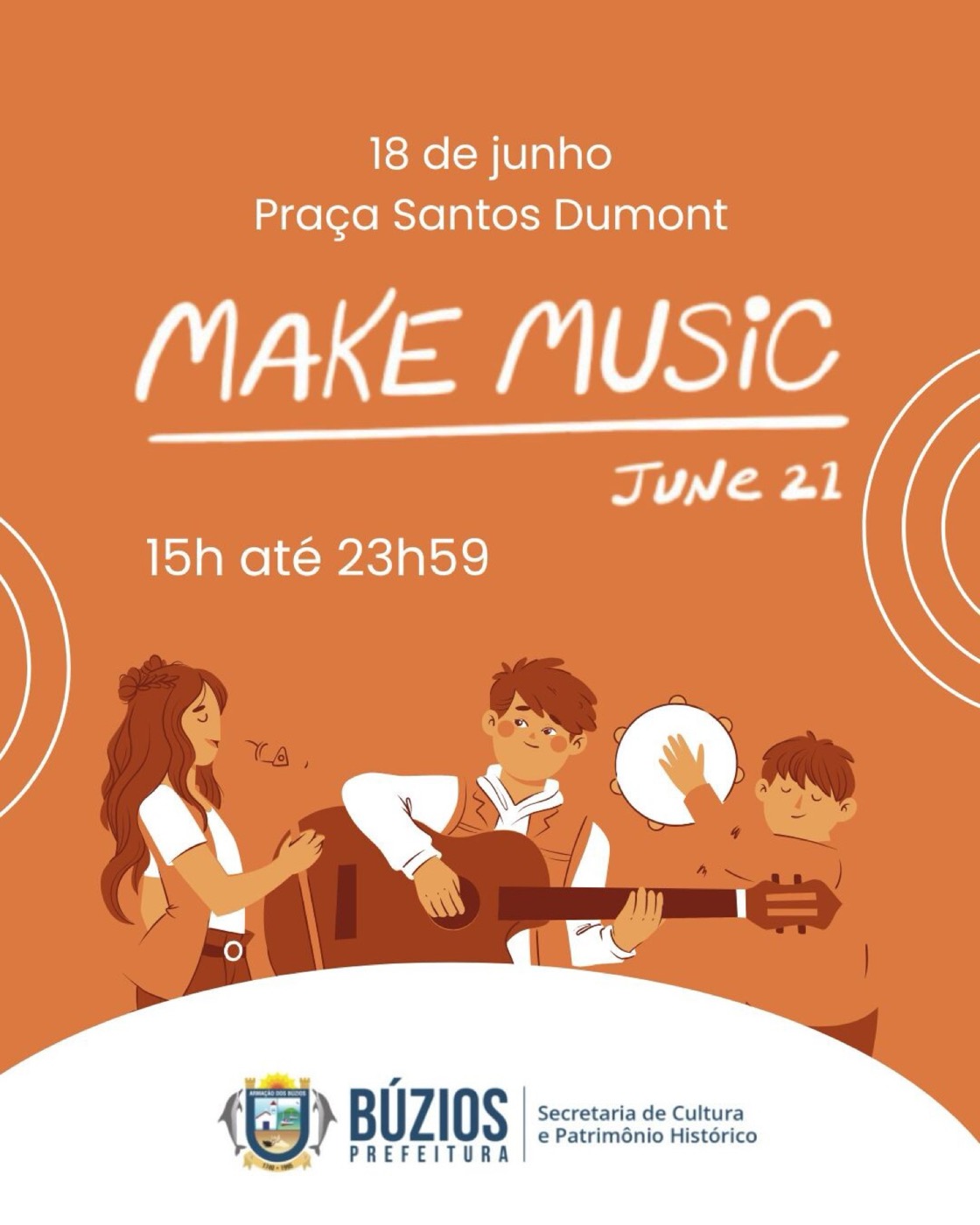
Armação dos Búzios — RJ Public programming · 3 editions · Municipal calendar

Búzios combines two strong elements on the Make Music map: official public programming and recognition in the municipal calendar. In 2025, the City Hall announced a free edition at Praça Santos Dumont, connecting artists, residents, visitors and public spaces around music.

The case of Búzios shows how a city can turn Make Music Day into a visible, open cultural agenda integrated into urban life.

In 2026, the city held its third edition at Praça Santos Dumont, with an open stage for local artists — covers and originals — consolidating Make Music Day on the Búzios cultural calendar.

“Make Music Day is not just a stage and the occupation of a square; it’s a showcase and a cultural occupation — everyone here is a local artist.” — Alan Camara, Secretary of Culture and Historic Heritage of Búzios, 2026
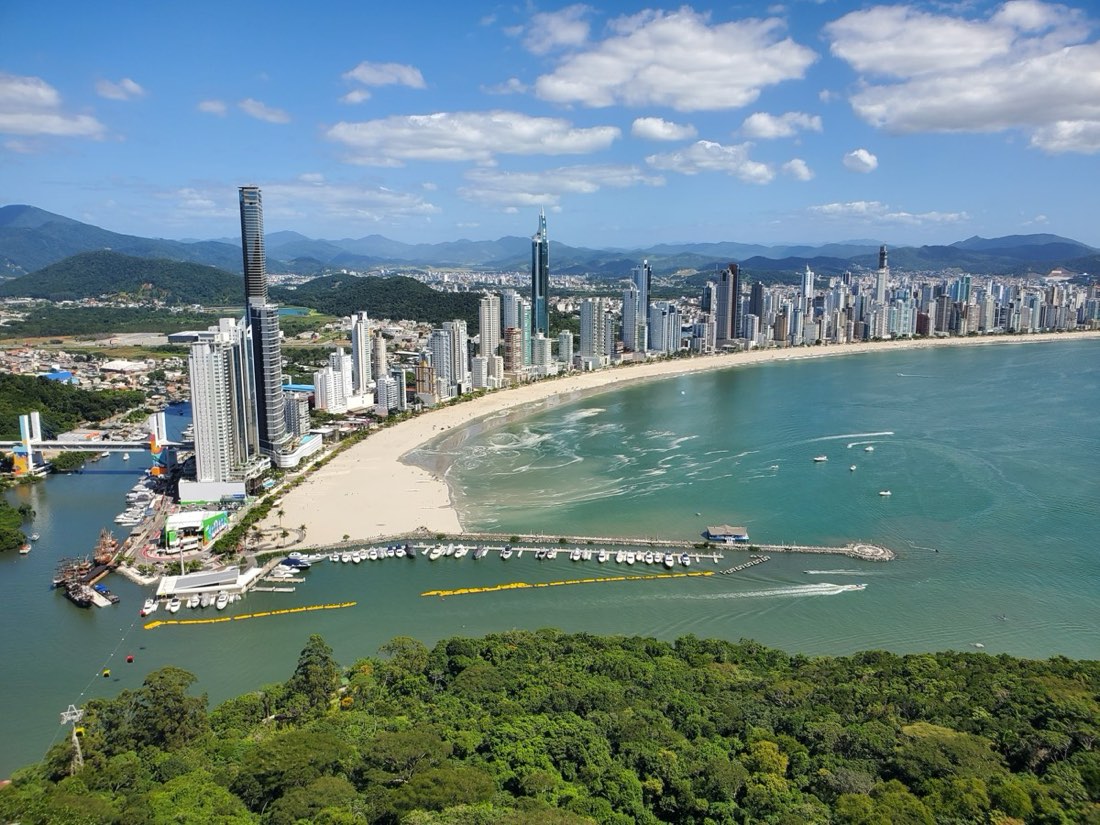
Balneário Camboriú — SC Registered presence · Mapa da Cultura

Balneário Camboriú is part of the Make Music Day | Make Music map through a public record on a federal cultural platform, with a local event tied to the date. The city represents the movement's presence in one of Santa Catarina's leading tourism and cultural hubs.

The record reinforces Make Music's vocation to occupy a wide range of territories — from schools and public squares to cultural venues, communities and open public agendas.

Betim — MG Free concert · Municipal Theater · Sabra

Betim entered the 2026 programming with a free concert at the Newton Amaral Franco Municipal Theater. The performance brought together the Sabra Youth Orchestra, the Juvenile Orchestra and soloist students of the Sabra Music School, with a repertoire of Beethoven, Grieg, Tchaikovsky, Bizet and Carlos Gomes. Free admission and an all-ages rating showed how a music school can anchor the movement in a city’s cultural venue.

Campo Mourão — PR Municipal Choir · Praça do Fórum

Campo Mourão took part in Make Music Day 2026 with a free performance by the Municipal Choir at Praça do Fórum, on Sunday, June 21st. The action brought choral music to public space and added another Paraná municipality to the movement’s calendar.

Mata de São João — BA Cultural Foundation · Costa do Sauípe

Mata de São João brought Make Music Day | Make Music to the Bahia coast in 2026. The municipal Cultural Foundation led the programming at Costa do Sauípe, highlighting culture, sustainability and inclusion within the international event — putting Bahia on the movement’s map.

CITY COUNCILS · LOCAL LEGISLATURE

City councils and legislative motions

Cities with public presence registered through the local legislature — bills, meeting minutes, motions and municipal initiatives.

Guabiruba — SC Bill · Cultural articulation

Guabiruba brought Make Music Day into the public agenda of the city through a bill aimed at establishing the date locally. The initiative connects the movement to the recognition of local musicians, the cultural occupation of the municipality and the creation of a public agenda around music.

The case shows how city councils can also be entry points for Make Music, bringing together artists, the community and the public sector around an open, participatory celebration.

Curitibanos — SC City Council · Local editions

Curitibanos is among the Brazilian cities with recurring public records of Make Music. The City Council registered the presence of the movement on the local agenda, including mentions of editions held at the Municipal Public Market.

The case shows the strength of mobilization outside the major centers and reinforces how Make Music Day can build continuity in cities of different sizes, connecting artists, public spaces and the community.

LOCAL PRESS · REGIONAL ARTICULATION · COMMUNITY INITIATIVES

Community mobilization and regional presence

Cities with documented presence through local press, regional articulations, community actions, private schools with public support and associative initiatives.

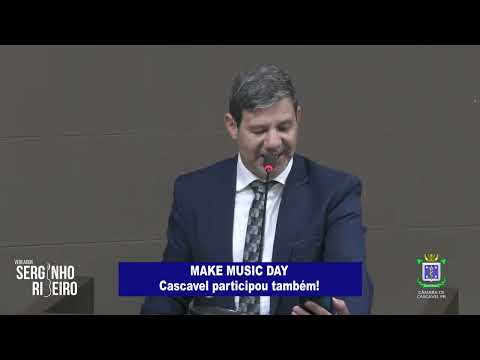
Cascavel — PR Public record · Local mobilization

Cascavel appears on the Paraná map of Make Music Day | Make Music through a public record of participation in the global movement. The city is part of the local mobilization history around the date, with documented presence and a connection to the worldwide music celebration. The case underscores the city's link with Make Music and opens space for new activations with schools, artists, cultural venues and the community.

Ponta Grossa — PR Legislative initiative · Education and community

Ponta Grossa brings together records of community, educational and cultural mobilization at Make Music Day | Make Music. The city appears in the movement's history with activities involving the municipal school network, UEPG, APAE, schools, the Maestro Paulino Conservatory and local artists. There was also a legislative initiative recorded at the City Council, bringing Make Music closer to the local public debate. The case shows how music can connect education, inclusion, university, cultural venues and the community in an open agenda for participation.

In 2026, the city reached its third edition, with programming from June 16 to 21 in municipal and state schools, early-childhood centers (CMEIs), UEPG, choirs, capoeira groups, churches and social projects.

Barueri — SP 2nd edition · Municipal continuity

Barueri has a public record of recurrence. The City Hall reported that the 2022 edition was already the city's second participation, featuring music performances and talks. An important case to show that municipal participation generates continuity and strengthens the local cultural agenda.

Piracicaba — SP Recurring history · Cultural action

Piracicaba is one of the most consistent Make Music Day presences in the state of São Paulo. The City Hall has recorded participation since 2018, and in 2024 reported that it was the city's seventh consecutive year in the movement.

The programming connects the Municipal Department of Cultural Action with public spaces such as the Mirante, the Intermunicipal Bus Terminal and the Central Terminal, alongside community activities. Piracicaba shows how Make Music Day can become a recurring cultural agenda on the municipal calendar, linking artists, urban venues and the community.

Tapejara — PR Historical presence · Inclusion and community

Tapejara is a Paraná presence in the history of Make Music Day | Make Music, with records linked to the community, the music school and inclusive participation. The city reinforces the movement's reach across the interior of Paraná and shows how Make Music can connect with local institutions, music projects and inclusion initiatives. The card highlights music, community and participation, without turning the record into a law or an official adoption by the City Hall.

Campinas — SP Lagoa do Taquaral · Local public record

Campinas appears in the history of Make Music Brazil with a record of a free activity at the Lagoa do Taquaral, on June 24, 2018, as part of the national week of the movement. Parque Portugal hosted a workshop featuring restored guitars, an MPB repertoire and guidance for musicians, in an action open to the public, with the participation of ANAFIMA, the NAMM Foundation and cooperation from the UNESCO office in Brazil. The record shows the movement's reach across the Campinas Metropolitan Region.

Barracão — PR Regional coordination · Southwest of Paraná

Barracão appears in the history of Make Music Brazil through a regional record in the southwest of Paraná. In 2020, ASCOAGRIN reported the participation of musicians from the region and noted that business owners from Barracão affiliated with the association were involved in the movement's regional coordination. The case shows how Make Music also gains traction from local leadership, commerce, associations, musicians and the community. Barracão is included as a historical regional presence, connecting the global celebration to cultural mobilization beyond the major centers.

Pato Branco — PR Regional support · Associative mobilization

Pato Branco appears in the Paraná history of Make Music Brazil through regional support documented in 2020. ASCOAGRIN reported that the mobilization in the southwest of Paraná included the Pato Branco Business Association among the event's supporters. The case demonstrates the movement's reach beyond capitals and major hubs, reaching business associations, musicians, communities and local networks. Pato Branco is included as a historical regional presence, highlighting associative and community articulation.

Rio de Janeiro — RJ Samba school · Community culture

In Rio de Janeiro, Make Music Day gained documented presence through the participation of the Engenho da Rainha Samba School, with open programming and a direct connection to the musical culture of Rio's neighborhoods.

The case shows the strength of the movement when it gets closer to communities, samba school venues, popular traditions and places where music is already part of everyday life.

Santo André — SP Fête de la Musique · Cecília Meireles Library

Santo André celebrated June 21st, 2026 in its French form, the Fête de la Musique — also known as Make Music Day. The Cecília Meireles Library, in Parque das Nações, hosted the free “Zamis Musique” concert, with Belgian-Brazilian singer Rosana Schoeps and guitarist Celso Zanetti, in a repertoire of French songbook and gypsy jazz. The record expands the movement’s presence in the ABC region of São Paulo.

Dias d'Ávila — BA Municipal adoption · Press record

Dias d'Ávila joined the international Make Music Day movement in 2026, according to Bahia regional press. The adoption adds another Bahia municipality to the global calendar and opens the way for local activations with schools, artists and public spaces.

Has your city already taken part and isn't here?

If your city has already taken part — or if you want to bring the movement there — get in touch. Together, we put your municipality on the list.

I want to add my municipality Talk to the team

The movement reaches the National Congress

Make Music Day | Make Music has earned formal recognition at the Chamber of Deputies — a sign that the movement transcends municipal borders and is gaining ground as a cultural agenda of national public interest.

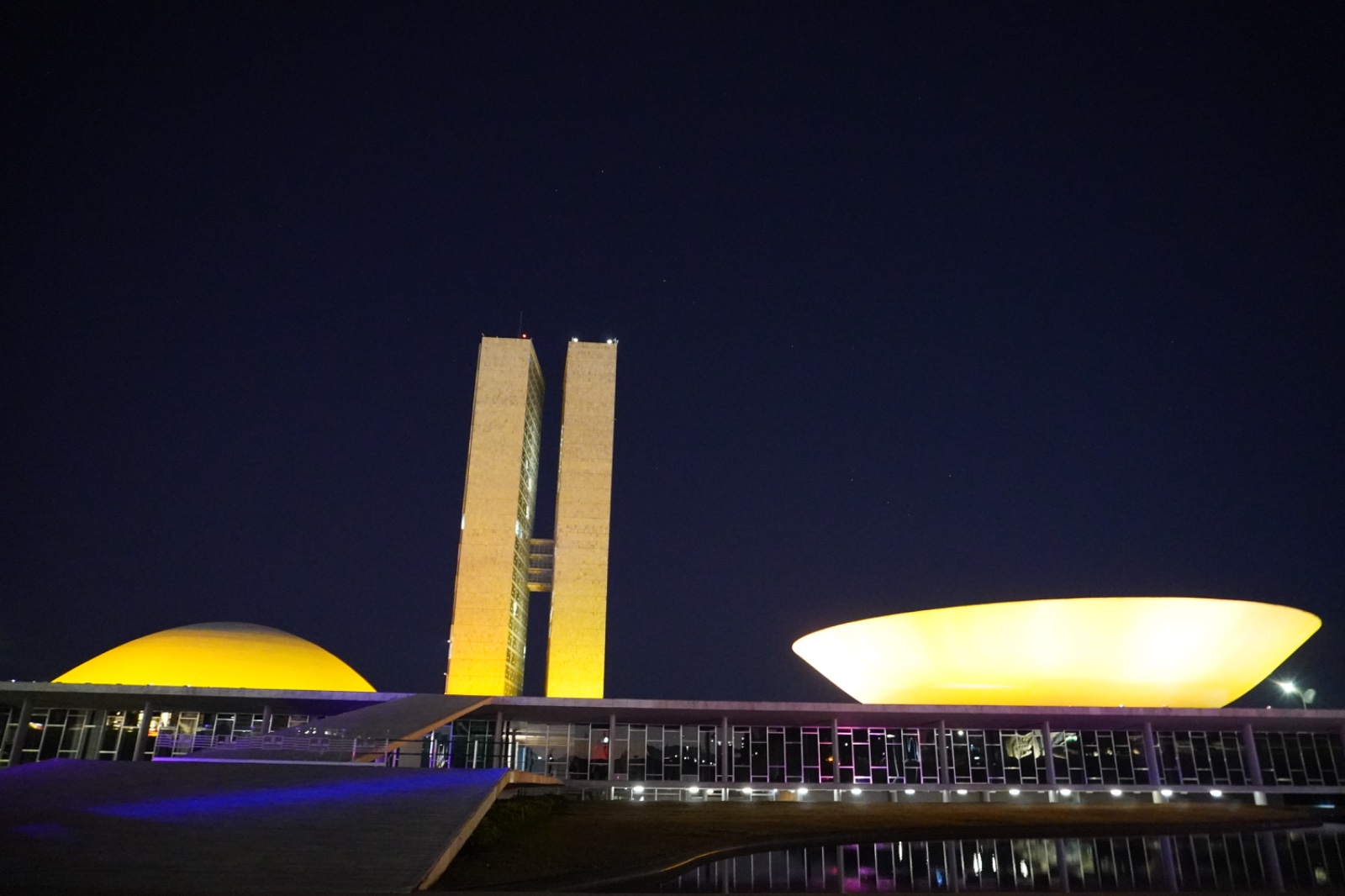
National Congress lit in orange in the colors of Make Music Day | Make Music
National Congress lit in orange in the colors of Make Music Day — June 21, 2025

Chamber of Deputies · 2025

Federal Deputy Baleia Rossi (MDB-SP) filed a formal motion to light the National Congress in orange on June 21st, recognizing Make Music Day | Make Music as a movement of national public interest.

In 2026, June 21st falls on a Sunday.

It's a whole week of celebrations.

Public schools

Friday, June 19, or any day of the week from June 16 to 21

Commerce and businesses

Friday, June 19, or Saturday, June 20

Public and cultural venues

Programming spread across the whole week — Sunday, June 21, can be the main stage

Make Music Day | Make Music can be celebrated throughout the week, respecting the routines of schools, public venues, commerce, businesses, churches, collectives and cultural institutions.

Public schools can hold their activities on Friday, June 19, or on any day of the week from June 16 to 21. Cultural venues, public squares, stores, businesses and communities can spread their programming across the entire week — with Sunday, June 21, as the great symbolic international date.

The questions that reach the mayor's office before the "yes"

The same questions come up in every first conversation with a City Hall. The answers, in order.

The week of June 16 to 21 counts. For public schools, the simplest path is Friday, June 19 — an activity during regular school hours, with no changes to the calendar. Sunday the 21st is the symbolic international date; for institutional participation by the school network, Friday is more comfortable operationally.

The focal point appointed by the City Hall spends around 2 hours in the preparation week: receiving the kit, forwarding the memo to the network and consolidating the results report. Schools and public venues operate within their existing routine, with no parallel production. There is no working group to set up.

Yes. Joining works at any scale — a single school, an early-childhood center (CMEI), a cultural venue, a public square. São Paulo's case started in 2024 with broader coverage and grew to 256 schools in 2025; Foz started with the municipal network and expanded to the Iguaçu Falls. The city sets the pace.

No. Joining Make Music Day is free and does not require public bidding, a third-party contract, fund transfers, membership fees or a specific budget line. Local investment only exists if the city decides to voluntarily expand — hiring artists, occupying additional venues, setting up a main stage. To join, all you need is the institutional letter.

Yes. Cities that officially join receive recognition from ANAFIMA — the National Association of the Music Industry, the movement's national coordinator. In cases of broad, sustained mobilization, such as Maringá in 2025, the city may be honored with the title of "Music-Friendly City." The recognition serves as an institutional asset for communications, accountability and a local foundation for 2027.

Got another question? Talk to the team →

Put your city on the 2026 calendar.

Your city hall, department, school, cultural foundation or municipal network can take part. Free to join, ready-made kit, no public bidding. On June 21st, your city enters the same cultural calendar as Paris, Berlin and Tokyo.

Are you a school principal or teacher? Visit Public Education →